

In the world of machining and precision crafting, small tools often wield tremendous power, and few are as indispensable as the center drill bit. Imagine being able to start a project with pinpoint accuracy, ensuring that every subsequent operation aligns seamlessly with your grand design. This is the promise of the center drill bit—a tool that might seem humble at first glance but stands at the heart of precision engineering. Its unique design not only enables drilling with remarkable accuracy but also extends the life of other tools by providing stable starts.
When Thomas Edgerton, a seasoned machinist, first encountered the center drill bit in his early career, he was unaware of its full potential. It wasn’t until he began using it regularly that he realized how critical it was for achieving flawless outcomes. From perfectly aligned pilot holes to cleanly finished surfaces, the center drill bit transforms complex tasks into manageable, high-precision operations. By the time he completed his first masterpiece, Thomas understood that a well-chosen center drill bit was not just an accessory; it was the unsung hero of his craft. In this article, we’ll delve into the fascinating aspects of this tool and uncover why it’s a staple in both amateur and professional settings.

Understanding the Anatomy of a Center Drill Bit
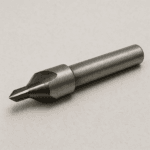
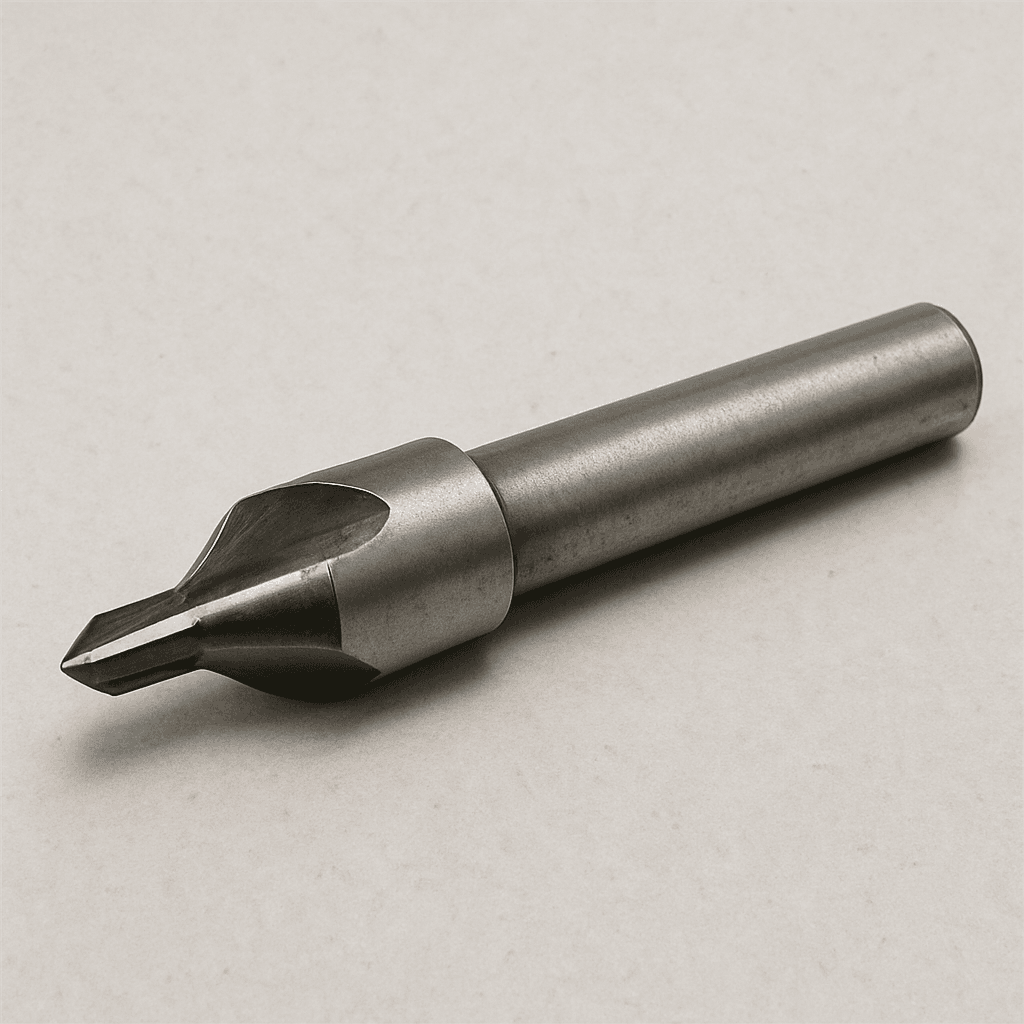
The center drill bit is distinguished by its compact, rigid design, combining a pilot drill at the tip with a countersink section behind it. This two-stage configuration ensures that the tool creates a perfectly centered pilot hole before the wider countersink follows, preventing the bit from wandering and guaranteeing precise alignment. Typically, the tip angle is 60 degrees, optimized for penetrating material cleanly and providing an accurate starting point for subsequent drilling operations. The short length of the pilot drill section reduces deflection and vibration, making the center drill bit ideal for establishing reference points on a workpiece, especially on a lathe or milling machine.
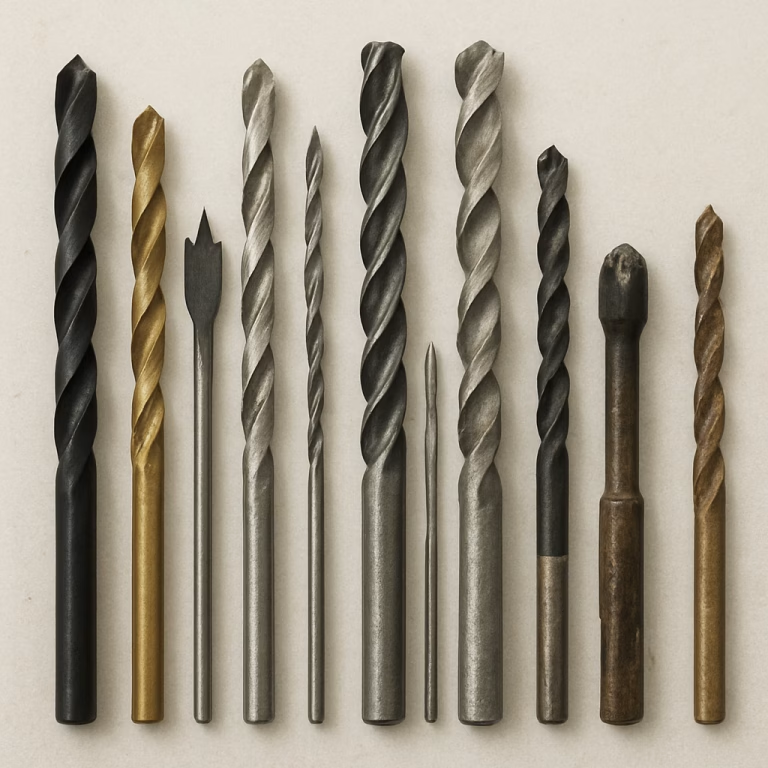
Manufacturers produce center drill bits in a range of sizes, each defined by standardized shank diameters and overall lengths, allowing machinists to select the perfect tool for their specific application. High-speed steel (HSS) is the most common material, prized for its balance of toughness and heat resistance, while cobalt and carbide variants offer enhanced wear resistance and longevity when working with harder metals. Flute geometry can vary as well, with some designs favoring faster chip removal and others emphasizing surface finish. Coatings such as titanium nitride (TiN) further extend tool life by reducing friction and improving heat dissipation. Together, these anatomical features make the center drill bit an indispensable asset in any precision toolkit.
Applications in Precision Engineering
In precision engineering, accuracy is paramount, and the center drill bit plays a critical role in establishing that exactness. One of its primary uses is to create pilot holes on a lathe before turning operations. By drilling a clean, centered hole at the workpiece’s end, the tool supports the live center, ensuring optimal concentricity and reducing runout. This initial guide also minimizes the risk of tool breakage when larger drills are employed, thanks to the stable starting channel.
Beyond lathe operations, the center drill bit finds applications in CNC machining, where consistent hole placement is vital for automated processes. It’s also used in drilling fixtures, jig-making, and the assembly of precision instruments, where every fraction of a millimeter matters. In woodworking and jewelry crafting, miniature center drills help artisans achieve flawless pilot holes for dowels or setting stones. From aerospace components to intricate medical devices, this small yet powerful tool unlocks a world of high-precision possibilities.
Techniques for Proper Center Drill Bit Usage
Optimizing the performance of a center drill bit starts with selecting the correct size and material for your workpiece. Always match the pilot diameter to the larger drill you intend to use, allowing for smooth progression from start to finish. Mount the bit firmly in a collet or three-jaw chuck to prevent slippage, and ensure the tool is perfectly concentric within the spindle. Prior to drilling, mark your intended center point with a sharp center punch to give the drill bit a reliable starting groove.
When drilling, use moderate spindle speeds to balance cutting action with tool life. Excessive speed can lead to premature wear or fracturing of the pilot tip, while too slow a feed rate may cause chattering. Apply a light, consistent feed force, and if you’re working with tougher materials, incorporate cutting fluid to reduce heat buildup and improve chip evacuation. For deeper holes, employ peck drilling: retract the bit periodically to clear chips, then resume cutting. This practice helps maintain accuracy and prevents the pilot section from becoming clogged or overheated.
Maintenance and Care Tips for Center Drill Bits
Proper maintenance extends the life of your center drill bit and ensures consistent performance. After each use, clean the bit thoroughly with a soft brush to remove metal shavings and cutting fluid residue. Store bits in a protective case or rack to prevent accidental damage and avoid contact with other tools that could nick the cutting edges. Periodically inspect the pilot tip and countersink for signs of wear or chipping—any degradation at the cutting edge will compromise accuracy.
Sharpening a worn center drill bit requires specialized equipment or professional services, as the precision geometry must be preserved. Avoid overheating by using proper cutting speeds and sufficient lubrication during use; excessive heat can temper HSS or damage the cutting structure of carbide variants. When a bit no longer produces crisp pilot holes or shows visible wear, replace it promptly. Investing in high-quality bits and following routine care practices will ensure your center drill bit remains a reliable cornerstone of your machining operations.
Conclusion: Harnessing the Power of Precision with Center Drill Bits
The center drill bit may be small, but its impact on machining accuracy and tool longevity is immense. By understanding its anatomy, applications, and best practices, craftsmen and engineers can unlock unparalleled precision in their work. From establishing flawless pilot holes to safeguarding expensive drills, this unassuming tool elevates the quality of every project.
Whether you’re an amateur hobbyist or a seasoned professional, embracing the center drill bit as a fundamental instrument will streamline your workflow and enhance the consistency of your outcomes. Invest time in proper selection, usage, and maintenance—and watch your precision capabilities soar.