

When it comes to drilling, selecting the right type of drill bit can make all the difference in the outcome of your project. Whether you are working with wood, metal, or other materials, understanding the differences between brad point and twist drill bits is crucial for achieving precision and efficiency. In this article, we’ll explore the characteristics, advantages, and best use cases for each type, guiding you in making informed decisions for your drilling needs.

Drill bits are essential tools for creating holes in various materials. Among the different types, Brad point and twist drill bits are the most commonly used. Each has its unique design and functionality suited for specific applications. Let’s delve into the details of these two popular drill bit types.
Twist Drill Bits
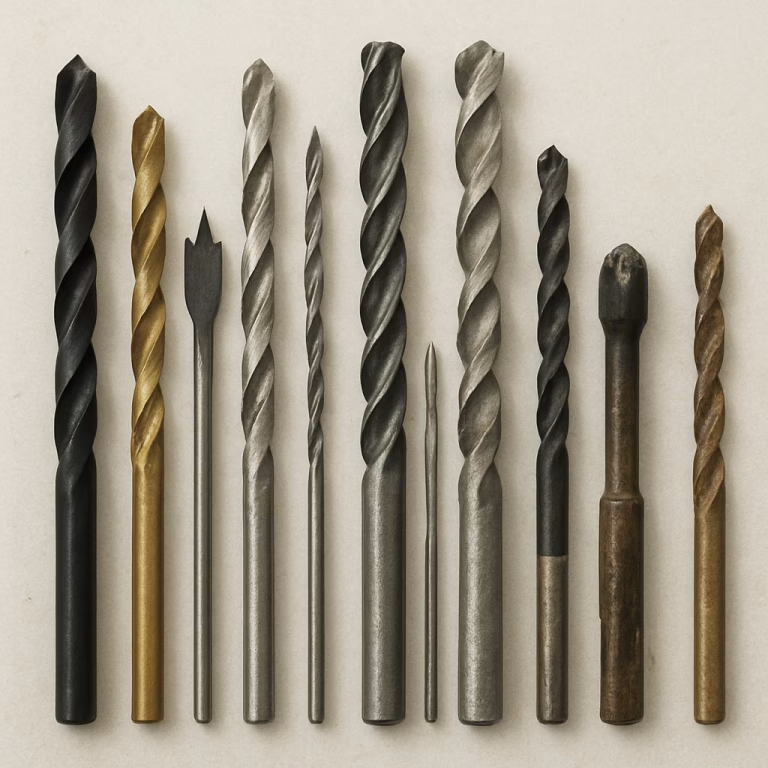
Twist drill bits are the most versatile and widely used bits in the world of drilling. They are ideal for a variety of materials, including wood, metal, plastic, and more. Characterized by their cylindrical shank and helical flutes, twist drill bits efficiently remove debris from the hole as they penetrate the material.
Advantages of Twist Drill Bits
- Versatility: Twist drill bits can handle a range of materials, making them a staple in any toolbox.
- Availability: These bits are widely available in various sizes and materials, from high-speed steel to carbide-tipped options.
- Durability: Quality twist drill bits are designed to withstand heat and wear, providing long-lasting performance.
Best Use Cases for Twist Drill Bits
- Metal Drilling: Their robust construction makes twist drill bits ideal for metal drilling tasks.
- General Purpose Drilling: Suitable for most everyday drilling applications in diverse materials.
Brad Point Drill Bits

Brad point drill bits, also known as lip and spur bits, are specifically designed for woodworking. They feature a sharp center point that helps position the bit precisely on the material, minimizing walking or slipping during the drilling process. The spurs on the edges ensure clean and accurate holes.
Advantages of Brad Point Drill Bits
- Precision: The center point and spurs allow for precise hole placement, making these bits perfect for intricate woodworking tasks.
- Clean Edges: The design ensures clean entry and exit holes, reducing the risk of splintering or tearing the material.
- Accuracy: Ideal for applications where hole accuracy is paramount.
Best Use Cases for Brad Point Drill Bits
- Woodworking: Especially suited for drilling holes in wood, providing a clean and accurate finish.
- Precision Drilling: Perfect for tasks requiring high levels of accuracy and detail.
Comparing Brad Point and Twist Drill Bits
When choosing between Brad point and twist drill bits, it’s essential to consider the material you’ll be working with and the precision required for your project. Here’s a straightforward comparison to help you decide:
Material Compatibility
- Twist Drill Bits: Suitable for a wide range of materials, including wood, metal, and plastic.
- Brad Point Drill Bits: Best for wood and soft materials, where precision is key.
Precision and Accuracy
- Twist Drill Bits: Provide good accuracy for general applications, but may wander on hard surfaces without a pilot hole.
- Brad Point Drill Bits: Offer superior precision and control, making them ideal for detailed woodworking tasks.
Hole Quality
- Twist Drill Bits: May leave rough edges, especially in wood.
- Brad Point Drill Bits: Deliver clean and smooth hole edges, reducing the need for additional finishing.
Selecting the Best Drill Bit for Your Needs
Choosing the right drill bit depends on your specific project requirements. Here are some tips to guide you:
- Identify the Material: Determine the primary material you’ll be drilling. Use twist drill bits for metal and multi-material projects, and brad point bits for woodworking.
- Assess the Precision Needed: If your project requires high precision, especially in wood, opt for brad point bits.
- Consider Hole Quality: For projects where hole aesthetics and cleanliness are crucial, Brad Point bits are the better choice.
- Evaluate Versatility: If you need a single set of bits for various tasks, twist drill bits provide greater versatility.
Conclusion
Understanding the differences between Brad Point and twist drill bits is essential for selecting the right tool for your drilling tasks. Twist drill bits offer versatility and are suitable for multiple materials, while brad point bits excel in precision and clean cuts, particularly in woodworking. By considering your material, project requirements, and desired hole quality, you can choose the best drill bit to achieve professional results in your projects.