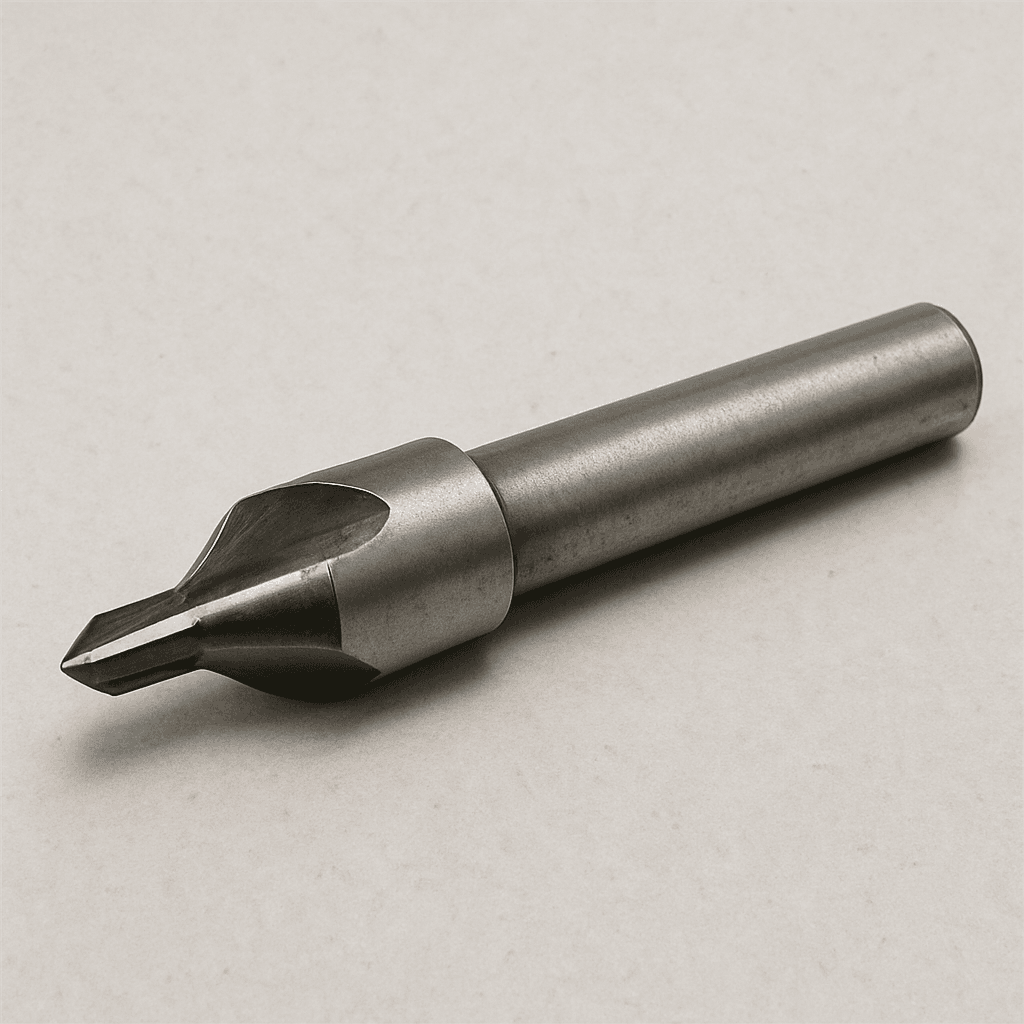


Selecting the correct twist drill bit can be a daunting task, especially for those who are new to the world of DIY or professional drilling. With an overwhelming array of sizes, materials, and applications, making the right choice feels like navigating a maze without a map. This guide aims to simplify that decision-making process, providing you with all the insights necessary to ensure your next project is a resounding success. Whether you’re working with metal, wood, or composite materials, the twist drill bit you choose can make a significant difference in the quality and efficiency of your work.
Imagine starting a weekend project only to realize halfway through that you’ve been using the wrong drill bit size, leading to unnecessary frustration and wasted time. By understanding the nuances of twist drill bits, you can avoid common pitfalls and enhance your craftsmanship. Join us as we dive into the essential factors to consider when selecting the perfect twist drill bit, ensuring that your toolset is not just complete, but perfectly suited to your unique needs.

Understanding Twist Drill Bit Basics
At its core, a twist drill bit is designed to cut through material by rotating and removing chips through its helical flutes. The standard twist geometry, featuring two spiral grooves that wind around the bit’s axis, facilitates efficient chip evacuation and consistent cutting performance. When you clamp the bit into a drill chuck and apply pressure, the cutting lips at the tip shear the material, creating a hole whose diameter matches the bit’s body.
Understanding terminology is crucial. The point angle (commonly 118° or 135°) dictates how aggressively the bit penetrates the material: a sharper, smaller angle works best for soft materials like wood, while a flatter, larger angle performs better in harder metals. Flute length determines the depth of hole you can drill, and the overall length affects reach and stability. When selecting a twist drill bit, consider the diameter, point style, flute design, and coating to ensure optimum performance and longevity for your specific application.
Different Types of Twist Drill Bits
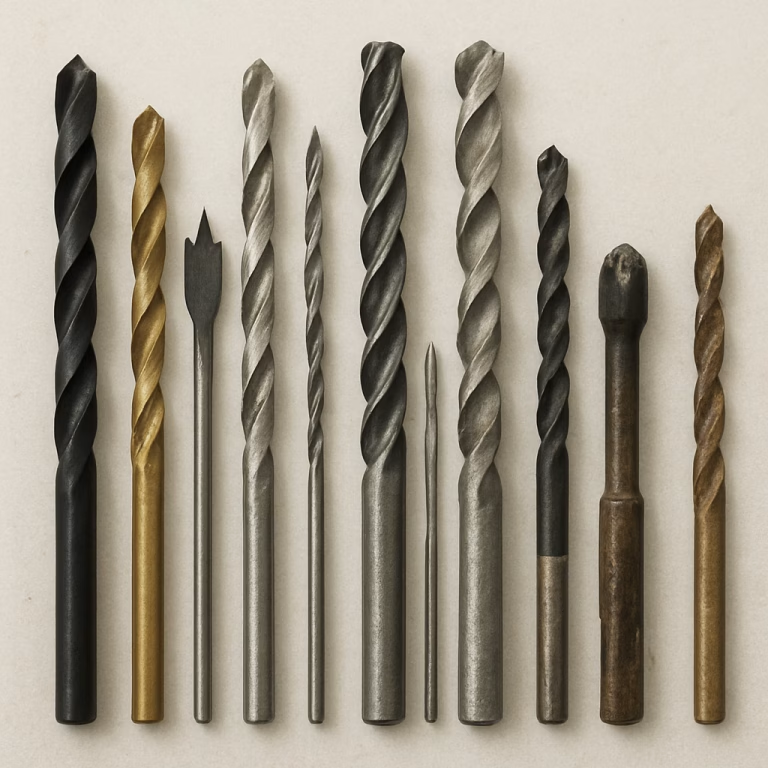
Twist drill bits are available in a range of styles tailored to particular materials and use cases. Standard high-speed steel (HSS) bits are the most common, offering a balance of cost, toughness, and heat resistance. For tougher jobs, cobalt-enhanced bits provide greater durability and can withstand higher temperatures without losing hardness, making them ideal for drilling stainless steel and other hard alloys.
Black oxide twist drill bits have a thin layer of oxide that increases corrosion resistance and reduces friction, extending the bit’s life when drilling wood, plastic, or mild steel. Titanium nitride (TiN) coated bits add a hard, wear-resistant surface, cutting more cleanly and lasting longer even under intense heat. Carbide-tipped bits combine a tough shank with an ultra-hard tip, delivering unmatched performance for drilling through masonry or ceramic materials. By matching the bit type to your project’s demands, you optimize both speed and accuracy.
Materials Used in Twist Drill Bits
The choice of material directly impacts a twist drill bit’s strength, heat tolerance, and wear resistance. High-speed steel (HSS) is the baseline: it’s affordable, versatile, and able to handle moderate drilling tasks without excessive wear. For more demanding jobs, cobalt alloys—typically 5–8% cobalt mixed into HSS—elevate performance by maintaining hardness at higher temperatures, reducing dulling when drilling dense metals.
Solid carbide bits, made entirely from tungsten carbide, push hardness to the extreme. While brittle compared to steel, they cut through tough materials rapidly and maintain a sharp edge far longer. Carbide-tipped variants offer a compromise: a durable carbide tip bonded to an HSS body, reducing cost while providing enhanced tip performance. Specialty coatings—such as black oxide, TiN, or titanium aluminum nitride (TiAlN)—further extend bit life by lowering friction, improving heat dissipation, and resisting corrosion. Select your twist drill bit material based on the hardness of the workpiece and the volume of holes you plan to drill.
Considering the Shank Design
The shank is the portion of the twist drill bit that fits into your drill’s chuck. Shank design affects grip, stability, and compatibility with different drill types. A straight round shank suits most standard chucks, offering ease of use but sometimes slipping under high torque. To address this, many professionals opt for reduced-shank or hex-shank designs that prevent rotation in the chuck and enable quick changes in quick-release systems.
Reduced-shank bits, where the cutting diameter exceeds the shank diameter, allow larger holes without requiring an oversized chuck. Hex-shank bits, with their six-sided shape, lock securely in quick-change chucks, minimizing slippage and speeding up bit swaps. For heavy-duty applications, Morse taper shanks fit directly into matching drill press or lathe spindles, delivering superior concentricity and stability. By understanding shank types and matching them to your drill setup, you ensure safer operation and more precise holes.
Maintaining and Caring for Your Twist Drill Bits
Proper maintenance extends the life of your twist drill bit and keeps performance consistent. Always clean bits after use: remove debris and metal shavings with a brush or compressed air to prevent buildup in the flutes. After cleaning, apply a light coating of machine oil to inhibit rust, especially if you store bits in humid environments. Organized storage—such as labeled racks or foam trays—prevents damage to cutting edges and makes bit selection faster.
Sharpening dull bits is another key practice. While coated bits require professional equipment to refurbish coatings, uncoated HSS and cobalt bits can be sharpened on a bench grinder or specialized bit sharpener. Maintain the original point angle and flute geometry to preserve cutting efficiency. Avoid overheating during sharpening by using coolant or intermittent passes. Finally, match drilling speed and feed rate to material hardness: excessive RPMs can overheat the bit, while too much pressure can cause tip breakage. With routine care and proper technique, your twist drill bits will deliver precision and reliability over countless projects.
Conclusion: Mastering the Art of Twist Drill Bit Selection
Choosing the perfect twist drill bit involves balancing material, geometry, and shank design against the demands of your project. From the versatile high-speed steel options to specialized carbide-tipped bits, each variant offers distinct advantages depending on the workpiece and application.
By understanding the basics, exploring bit types, and adhering to proper maintenance practices, you’ll maximize performance and minimize downtime. Equip yourself with the right twist drill bit, and you’ll tackle any drilling challenge with confidence and precision.