

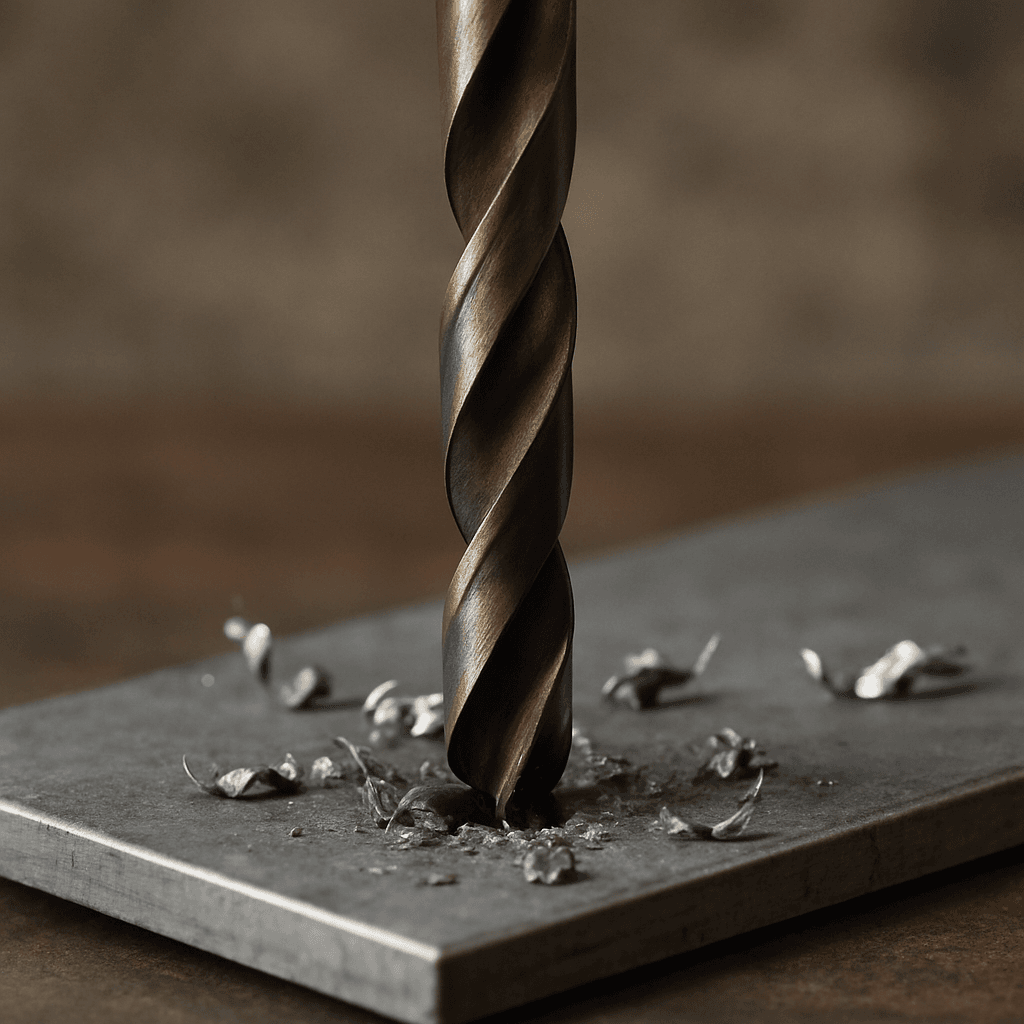

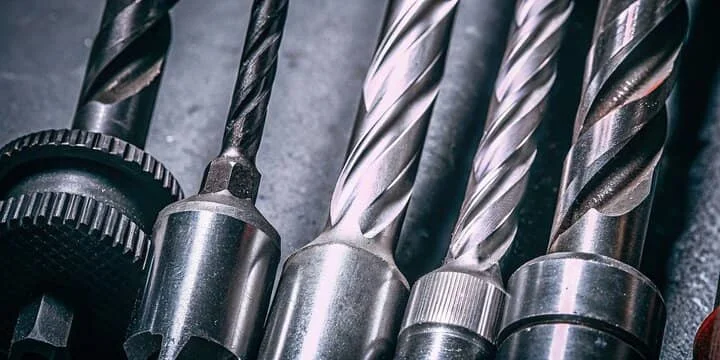
Drilling into concrete can be a daunting task if you’re not equipped with the right tools and knowledge. Whether you’re a DIY enthusiast or a professional contractor, understanding the correct drill bit sizes for concrete is crucial for the success of your project. This guide will walk you through everything you need to know about drill bit sizes for concrete, including various types, their uses, and how to select the right one for your needs.
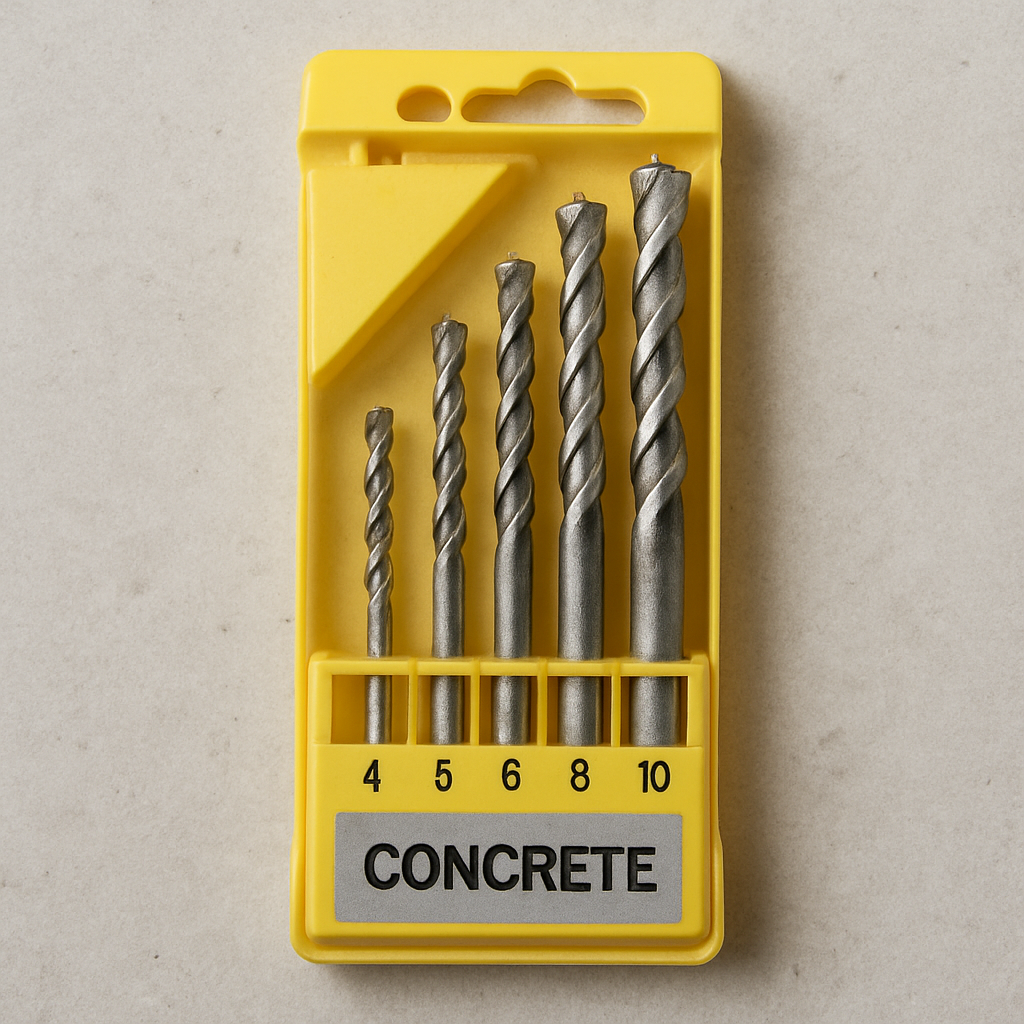
Concrete is a tough material that requires specialized drill bits to penetrate it effectively. Unlike wood or metal, concrete demands drill bits that can withstand its density and abrasiveness. This is where masonry and concrete drill bits come into play. They are designed with hardened materials like carbide to ensure they can handle the stress of drilling into concrete.
Types of Concrete Drill Bits
There are several types of drill bits suitable for concrete drilling. Understanding these can help you choose the right one for your task:
- Masonry Drill Bits: These are the most common type used for drilling into concrete. They have a tungsten carbide tip, which is extremely hard and can withstand the abrasive nature of concrete.
- SDS Drill Bits: These bits are designed for use with SDS (Slotted Drive System) drills. They offer a superior grip in the drill and are ideal for heavy-duty drilling tasks.
- Carbide-Tipped Drill Bits: These bits are specifically designed for hard materials like concrete. The carbide tip is harder and more durable than standard steel bits, making them perfect for prolonged use.
- Hammer Drill Bits: Used with hammer drills, these bits combine rotary and hammering action to efficiently drill into concrete.
Choosing the Right Drill Bit Size
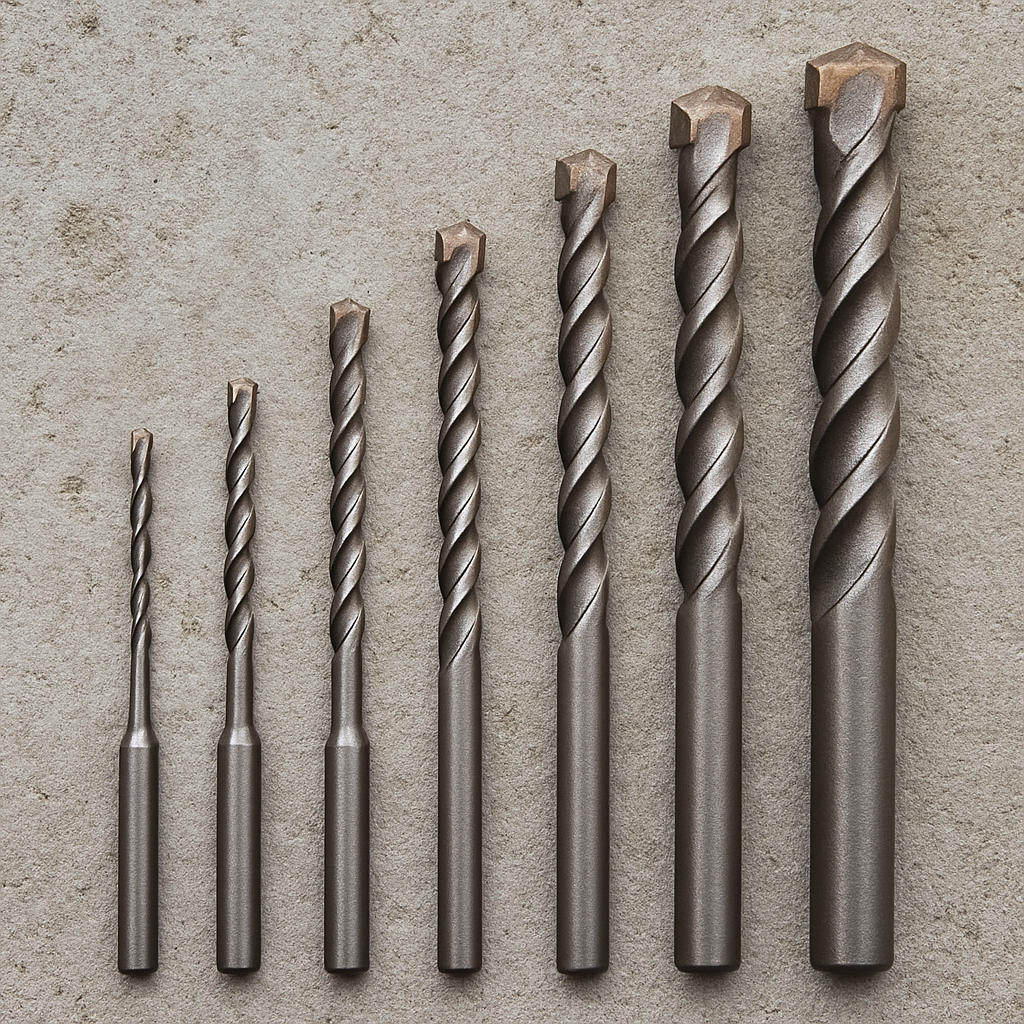
Selecting the correct drill bit size is essential for creating the right hole and ensuring the stability of your fixtures. Here’s how to determine the appropriate size:
Drill Size for Concrete Screws
When you’re working with concrete screws, the drill bit should be slightly smaller than the diameter of the screw. This allows the screw to grip firmly into the concrete. For instance, if you’re using a 1/4-inch concrete screw, a 3/16-inch drill bit is typically recommended.
Concrete Anchor Drill Sizes
Concrete anchors require precise hole sizes to ensure a secure fit. Always refer to the anchor manufacturer’s guidelines, but as a general rule:
- For a 1/4-inch anchor, use a 3/16-inch drill bit.
- For a 3/8-inch anchor, use a 5/16-inch drill bit.
- For a 1/2-inch anchor, use a 7/16-inch drill bit.
Metric Concrete Drill Bits
In regions that use the metric system, drill bit sizes are measured in millimeters. Common sizes for concrete include 6mm, 8mm, 10mm, and 12mm. The choice depends on the size of the anchor or screw you plan to use.
Hammer Drill Bit Diameter
Hammer drill bits come in various diameters, typically ranging from 3mm to 40mm. The choice depends on the size of the hole you need to make. For most household projects, bits ranging from 6mm to 12mm are common.
Understanding Drill Bit Size Charts

Drill bit size charts are useful tools that can guide you in selecting the right size for your project. They list the diameter of the drill bit alongside the corresponding screw or anchor size. These charts are often available at hardware stores or online, and they can be a handy reference.
Using Drill Bit Size Charts
When using a drill bit size chart:
- Identify the size of the screw or anchor you are using.
- Find the corresponding drill bit size on the chart.
- Ensure the bit is suitable for concrete drilling.
Tips for Drilling into Concrete
Drilling into concrete requires more than just the right drill bit size; technique is also important. Here are some tips to ensure successful drilling:
- Use the Right Drill: A hammer drill is often the best choice for concrete as it combines rotary and percussive force to break through the material.
- Start with a Small Pilot Hole: Begin with a smaller bit to create a pilot hole. This makes it easier to drill with the larger, final bit size.
- Keep the Bit Cool: Drilling into concrete generates a lot of heat, which can damage the bit. Take breaks to allow the bit to cool, or use water to keep it from overheating.
- Apply Steady Pressure: Allow the drill to do the work. Applying too much force can damage the bit or the drill itself.
Conclusion
Choosing the right drill bit size for concrete is essential for the success of your project. By understanding the different types of bits and how to select the appropriate size, you can ensure a clean, precise hole every time. Whether you’re installing screws, anchors, or simply making a hole, the right drill bit is your key to success. Equip yourself with this knowledge, and tackle your next concrete drilling project with confidence.