
Drill bit sizes refer to the diameter of the drill bit, which determines the size of the hole it will create. Drill bits come in a range of sizes, from very small to very large, and are measured in both metric and imperial units. The size of the drill bit affects not only the diameter of the hole but also the speed and efficiency of the drilling process. Smaller bits are often used for precision work, while larger bits are suited for heavy-duty applications. Understanding the correct drill bit size is fundamental to ensuring that the drilling process is both efficient and effective, minimizing the risk of errors or damage to the material.
The correct sizing also influences the bit’s ability to handle specific materials. For instance, using an undersized bit for a heavy-duty task could result in overheating or breakage, whereas an oversized bit might not fit the drill’s chuck. Accurate sizing is crucial for optimal performance and safety. Knowing how to read drill bit size charts and understanding the conversion between metric and imperial units can greatly enhance your ability to select the right bit for the task at hand.
The maximum drill bit size is the largest diameter that a drill can accommodate. This is particularly important when working with materials that require large holes or when using oversized drill bits for industrial applications. Knowing the maximum size twist drill bit your equipment can handle is essential to avoid damaging your tools or materials. Overloading a drill with a bit that is too large can lead to overheating, motor strain, or even failure.
In addition to the drill’s specifications, the maximum size also depends on the chuck size and the drill’s motor power. A powerful motor is necessary to handle larger bits without stalling, and the chuck must securely hold the bit in place to ensure safety and precision. Understanding these limits can help prevent costly mistakes and damage to equipment. It’s also important to consider the material’s properties, as some materials may require specific bit designs even if the size is compatible.

Material Type
The material you are working with is one of the most important considerations when selecting a drill bit. Different materials require different types of drill bits, each designed to handle specific properties and challenges. For example:
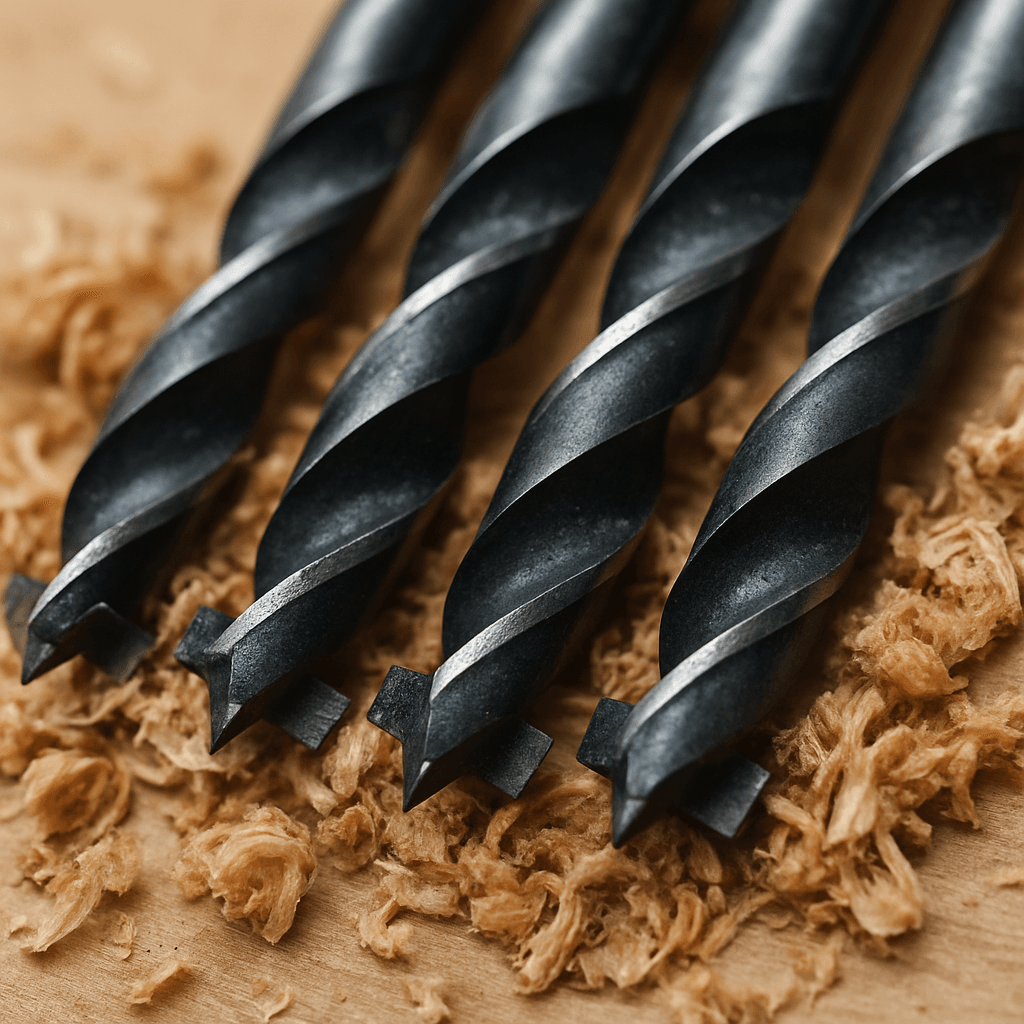
- Wood: Standard twist drill bits are suitable for most wood types, producing clean and smooth holes. However, softer woods might require bits with sharper angles to prevent tearing.
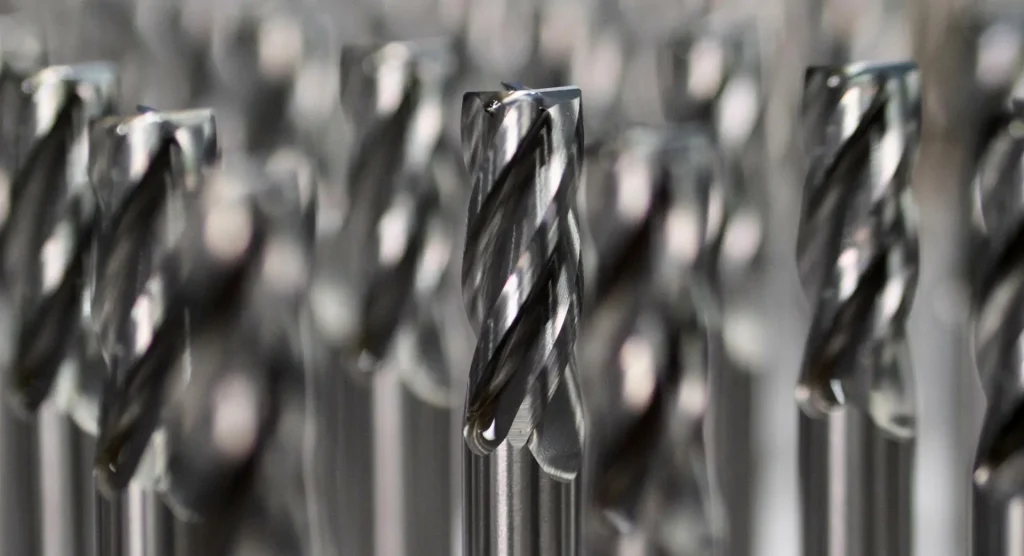
- Metal: High-speed steel (HSS) drill bits are preferred for metal, especially when dealing with harder metals like stainless steel. These bits can withstand high temperatures and reduce the risk of breakage.
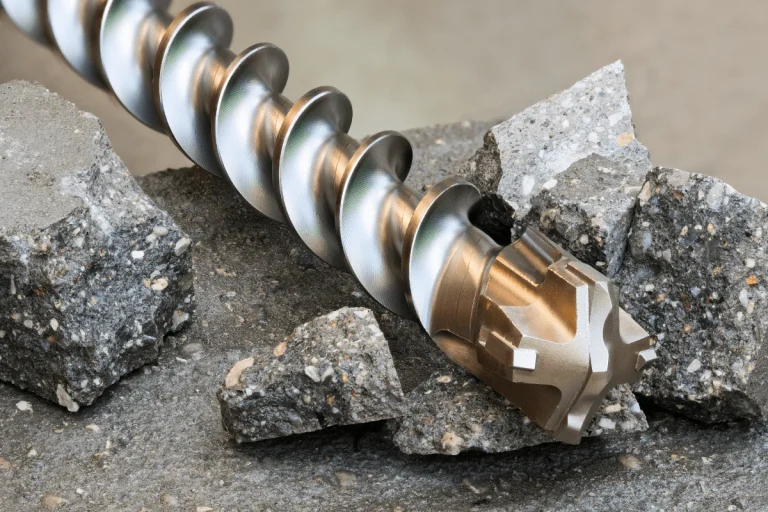
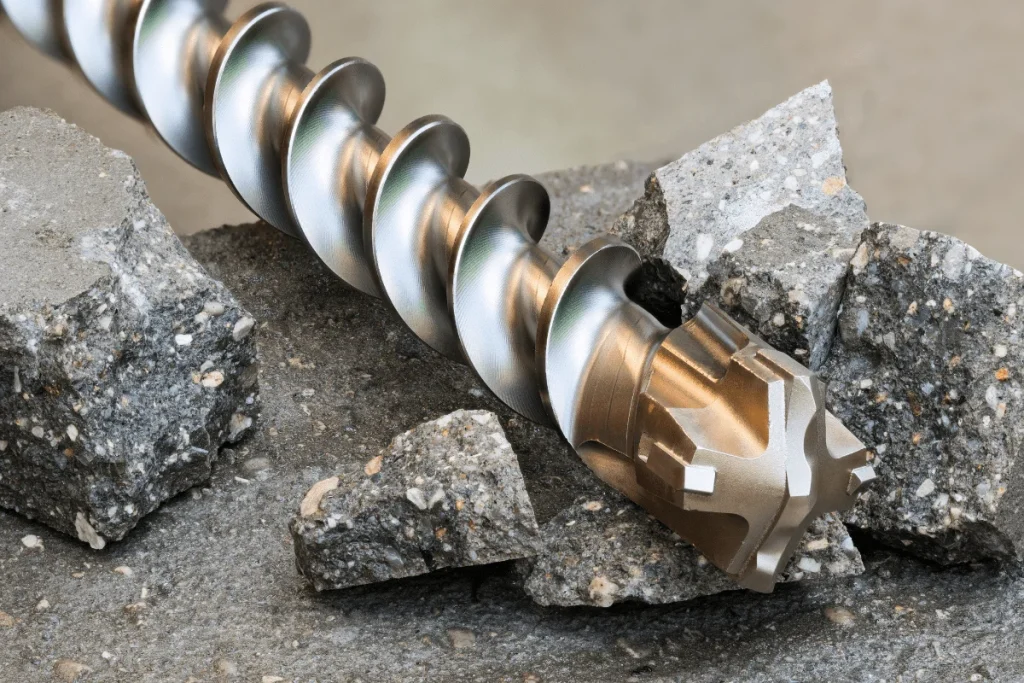
- Concrete: Masonry drill bits are best suited for concrete and brick, as they are designed to withstand the abrasive nature of these materials. Using a standard bit on concrete could result in a dull bit or an uneven hole.
In addition to these, there are specialty bits for glass, tile, and plastics, each with unique features to handle the material’s specific requirements. Understanding the material type ensures you choose a bit that will perform effectively, reducing the likelihood of damage or poor results.
Drilling Capacity
Drilling capacity refers to the maximum depth and diameter a drill bit can achieve effectively. This depends on both the drill and the bit. For example, a drill with a small motor might not handle large drill bits effectively, even if the chuck can accommodate them. The drilling capacity is also influenced by the material being drilled, as harder materials may limit the effective depth achievable with a given bit.
Choosing a bit that aligns with the drill’s capacity ensures optimal performance and prevents issues such as overheating or bit breakage. It’s important to match the drill’s capabilities with the demands of the task to avoid pushing the equipment beyond its limits. Moreover, understanding the interaction between drill speed, torque, and bit size will help you achieve a balanced and efficient drilling operation.
Twist Drill Bit Limits
Twist drill bits have specific limits when it comes to diameter and length. Exceeding these limits can lead to poor performance or even breakage. Always consult the manufacturer’s guidelines to understand the twist drill bit limits for your specific drill. These limits are often dictated by the material, design, and intended use of the bit.
Using a bit beyond its recommended capacity can result in inaccurate holes, increased wear, and potential safety hazards. It’s crucial to balance the bit’s capabilities with the task requirements to maintain efficiency and safety. Ensuring that you remain within these limits will enhance the longevity of your drill bits and equipment, saving time and cost in the long run.
Types of Drill Bits
Standard Twist Drill Bits
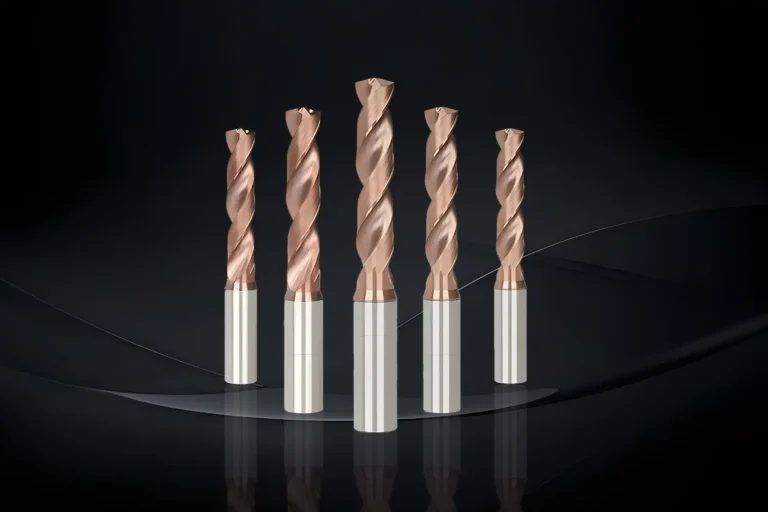
These are the most common type of drill bits, used for general-purpose drilling in wood, metal, and plastic. They are available in a wide range of sizes and are ideal for most everyday drilling tasks. Their versatility makes them a staple in many toolkits, offering reliable performance across various materials.
Standard twist drill bits are typically made from high-speed steel, providing durability and resistance to wear. They are easy to sharpen and maintain, ensuring long-term usability. While they may not be suitable for specialized tasks, their versatility makes them an essential choice for those who require a dependable bit for general applications.
Oversized Drill Bits
Oversized or large drill bits are used for creating larger holes. They require powerful drills with a high drilling capacity to operate effectively. These are commonly used in industrial drilling applications where large holes are needed. Their design often incorporates features to handle increased stress and prevent overheating.
Using oversized drill bits necessitates careful consideration of the drill’s capabilities and the material’s requirements. These bits are ideal for tasks such as plumbing, electrical installations, and construction where larger holes are necessary. Proper handling and maintenance are crucial to ensure safety and efficiency when using oversized bits.
Custom Drill Bits
For specialized tasks, custom drill bits can be manufactured to meet specific requirements. This is often necessary in industrial settings where standard drill bits do not meet the project’s needs. Custom bits can be designed to precise specifications, accommodating unique materials or drilling conditions.
The process of creating custom drill bits involves careful planning and collaboration with manufacturers to ensure the bit meets exacting standards. While they can be more expensive than standard bits, their ability to perform specialized tasks makes them invaluable in certain industries. Custom bits provide a tailored solution to complex drilling challenges, enhancing productivity and precision.
High-Speed Steel Drill Bits
High-speed steel (HSS) drill bits are known for their durability and ability to cut through tough materials. They are especially useful when drilling metal and are available in various sizes to accommodate different drilling needs. Their resilience makes them a preferred choice for many professionals and DIY enthusiasts alike.
Advantages of HSS Drill Bits
- Durability: HSS drill bits withstand high temperatures without losing their temper, making them ideal for high-speed drilling. This heat resistance prevents the bit from becoming dull quickly, extending its lifespan.
- Versatility: They can be used on a variety of materials, including wood, metal, and plastic. This adaptability makes them a versatile tool in any workshop, suitable for a wide range of applications.
- Precision: HSS drill bits provide clean, precise holes, essential for professional applications. Their sharp edges and robust construction ensure minimal deviation and high accuracy, crucial for detailed work.
HSS drill bits are also relatively easy to sharpen, maintaining their cutting efficiency over time. Their cost-effectiveness and reliability make them a wise investment for both amateur and professional users seeking quality and performance.
How to Choose the Right Drill Bit Size

Assess Your Drilling Needs
Before selecting a drill bit, assess the specific requirements of your project. Consider the material, the size of the hole needed, and the drilling conditions. This will help you determine the appropriate drill bit size and type. Understanding your project’s demands ensures you choose a bit that can handle the task efficiently without causing unnecessary wear or damage.
By carefully evaluating the task at hand, you can avoid common pitfalls such as choosing an incompatible bit or underestimating the material’s hardness. This proactive approach not only saves time but also enhances the overall quality of the work.
Check Your Drill’s Specifications
Ensure your drill can accommodate the maximum size twist drill bit you plan to use. Check the drill’s chuck size, motor power, and speed settings to ensure compatibility with the drill bit. Understanding your drill’s limitations will help prevent equipment strain and ensure a smooth drilling process.
Compatibility between the drill and bit is crucial to achieving optimal performance. Overloading the drill can lead to mechanical failure, while underutilizing its capabilities may result in inefficient drilling. Ensuring a good match between the drill and bit maximizes efficiency and prolongs equipment life.
Consult Manufacturer Guidelines
Always refer to the manufacturer’s guidelines for both the drill and drill bits. These guidelines provide important information about compatibility and performance limits. Adhering to these recommendations ensures safety and optimizes the drill’s performance.
Manufacturer guidelines often include maintenance tips and best practices for using the bits, helping to extend their service life. By following these instructions, you can avoid potential issues and ensure the longevity and reliability of your tools.
Consider Drill Bit Type and Material
Choose a drill bit type that matches the material you are drilling. For example, use masonry bits for concrete, HSS bits for metal, and standard twist bits for wood. Selecting the correct bit type is crucial for achieving clean and precise results, minimizing the risk of damage.
Understanding the interaction between the bit and material enhances the efficiency and quality of the drilling process. Each material presents unique challenges, and selecting the appropriate bit helps overcome these obstacles, ensuring a successful outcome.
Conclusion
Choosing the right maximum size twist drill is essential for achieving the best results in your drilling projects. By understanding drill bit sizes, types, and the specific needs of your task, you can select the most appropriate drill bit and avoid common drilling issues. A well-chosen bit not only enhances the quality of your work but also extends the life of your tools and equipment. Whether you are working on a small DIY project or tackling a large industrial job, having the right tools will make your work easier, faster, and more efficient.
Always remember to follow safety guidelines and the manufacturer’s instructions to ensure a successful drilling experience. With the right knowledge and tools, you can tackle any drilling challenge with confidence. Proper preparation and understanding of your tools’ capabilities are key to achieving professional results and maintaining safety standards in all your drilling endeavors.