

When it comes to drilling holes, selecting the appropriate drill bit is crucial for efficiency and precision. With a wide variety of drill bits available, understanding their differences can help you choose the right tool for your project.
Common Types of Drill Bits
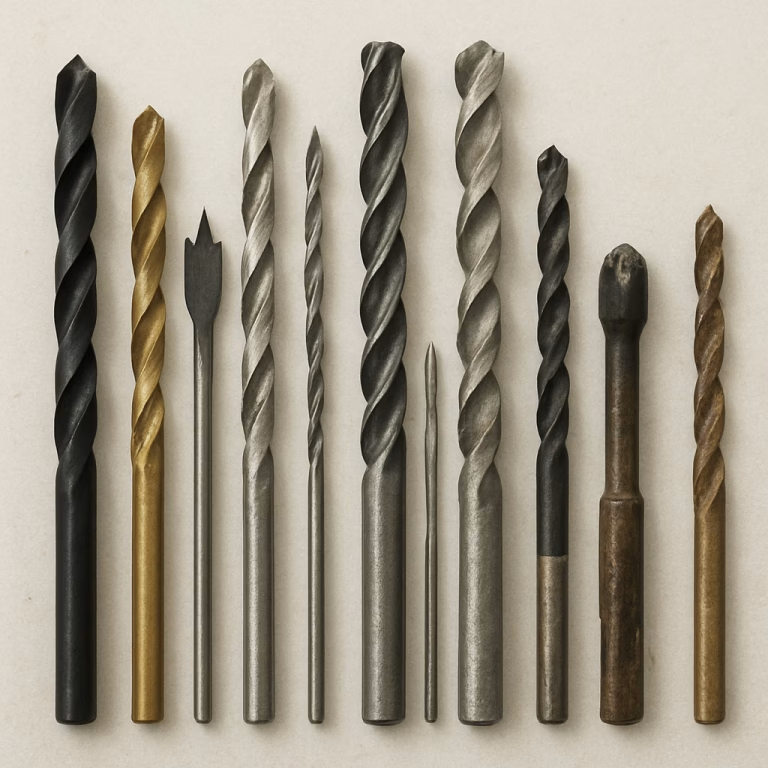
Drill bits are cutting tools designed to create holes in various materials such as wood, metal, and masonry. Here are some common types:
Wood Drill Bits: Sharp-pointed bits for precise woodworking, including brad-point and Forstner bits for clean cuts.
Metal Drill Bits: Made from high-speed steel (HSS) or cobalt, designed to withstand heat and friction when drilling metal.
Masonry Drill Bits: Equipped with carbide tips for brick, concrete, and stone.
Spade Bits: Flat blades for large holes in wood, ideal for quick removal of material.
Auger Bits: Screw-tip bits for deep holes in wood, facilitating efficient chip removal.
Regular Drill Bits
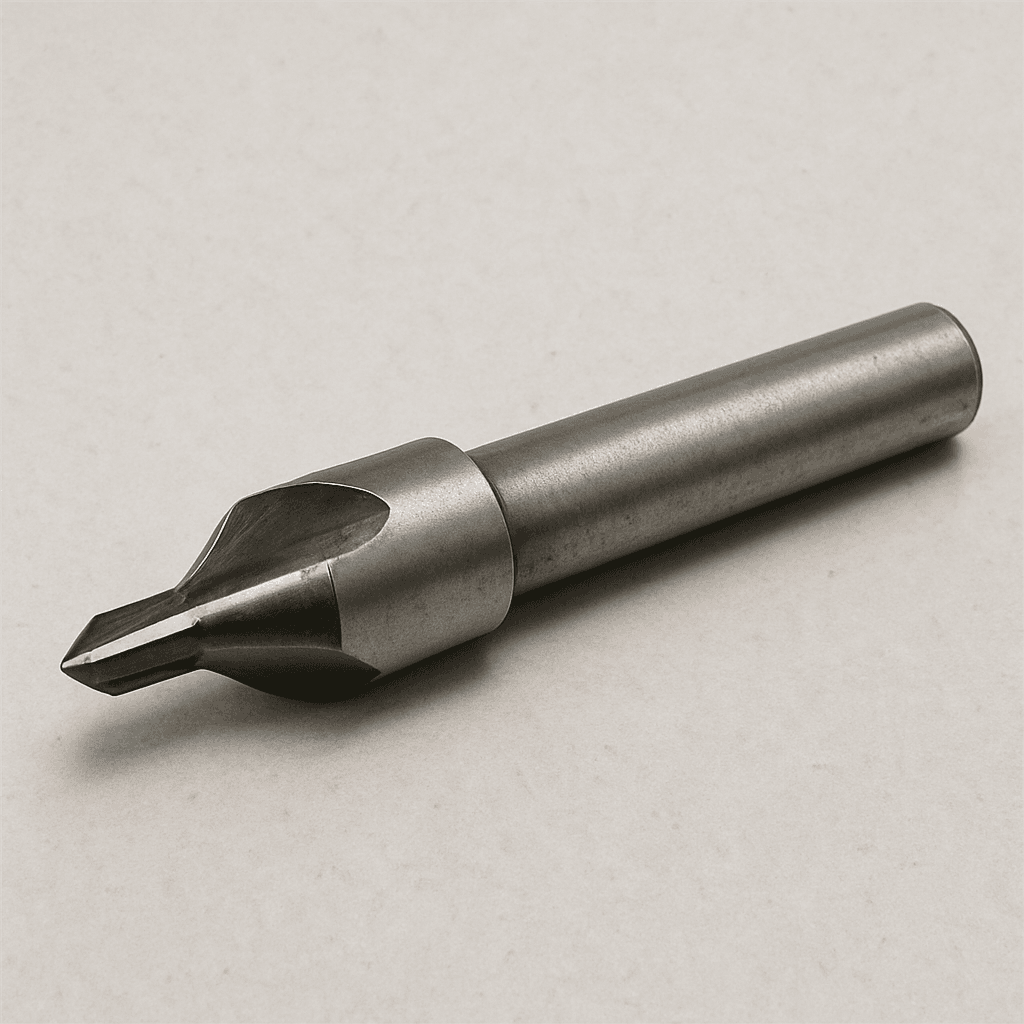
Often referred to as general-purpose drill bits, regular drill bits are versatile and commonly used in both professional and DIY settings.
Design: Cylindrical shank with a pointed cutting end, available in various sizes and lengths.
Material: Typically made of high-speed steel (HSS), providing heat resistance and durability.
Usage: Ideal for everyday drilling tasks across multiple materials like wood, metal, and plastic.
Twist Drill Bits
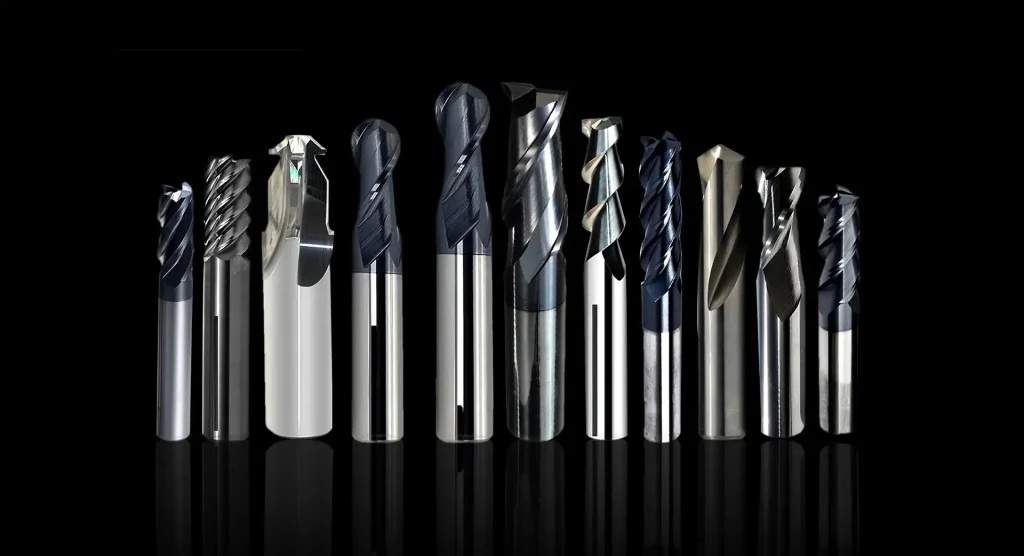
Twist drill bits are a specialized form of drill bit designed for precision and efficiency, especially in metalworking.
Design: Helical flutes remove debris efficiently and help dissipate heat during prolonged drilling.
Material: Commonly HSS, with optional titanium or cobalt coatings for enhanced durability.
Usage: Best for precision work requiring exacting standards, such as metalworking and detailed projects.
Regular Drill Bits vs Twist Drill Bits: Key Differences
| Feature | Regular Drill Bits | Twist Drill Bits |
|---|---|---|
| Versatility | Broad applications in wood, metal, and plastic | More precise, ideal for metal and detailed work |
| Efficiency | Suitable for quick and general tasks | Helical design improves debris removal and heat dissipation |
| Durability | HSS material wears faster on hard materials | Titanium/cobalt coatings for longer life on tough materials |
| Precision | General accuracy, good for everyday projects | High precision, crucial for specialized applications |
Factors to Consider When Choosing a Drill Bit
Material: Match the drill bit to the material you’re working with.
Precision: Use twist drill bits for precise holes; regular bits suffice for general tasks.
Frequency of Use: Frequent heavy-duty use favors high-quality twist drill bits for durability.
Conclusion
Understanding the differences between regular and twist drill bits is essential for selecting the right tool for your project. Consider the material, precision, and usage frequency to ensure efficient and accurate results. Choosing the appropriate drill bit can significantly impact your work quality—so pick wisely and drill confidently!