


Drilling into concrete might seem daunting, but with the right tools and knowledge, it becomes a manageable task. One of the most crucial aspects of this process is selecting the correct drill bit size. In this guide, we’ll delve into the world of concrete drill bit sizes, helping you choose the right tool for the job and ensuring a smooth drilling experience.
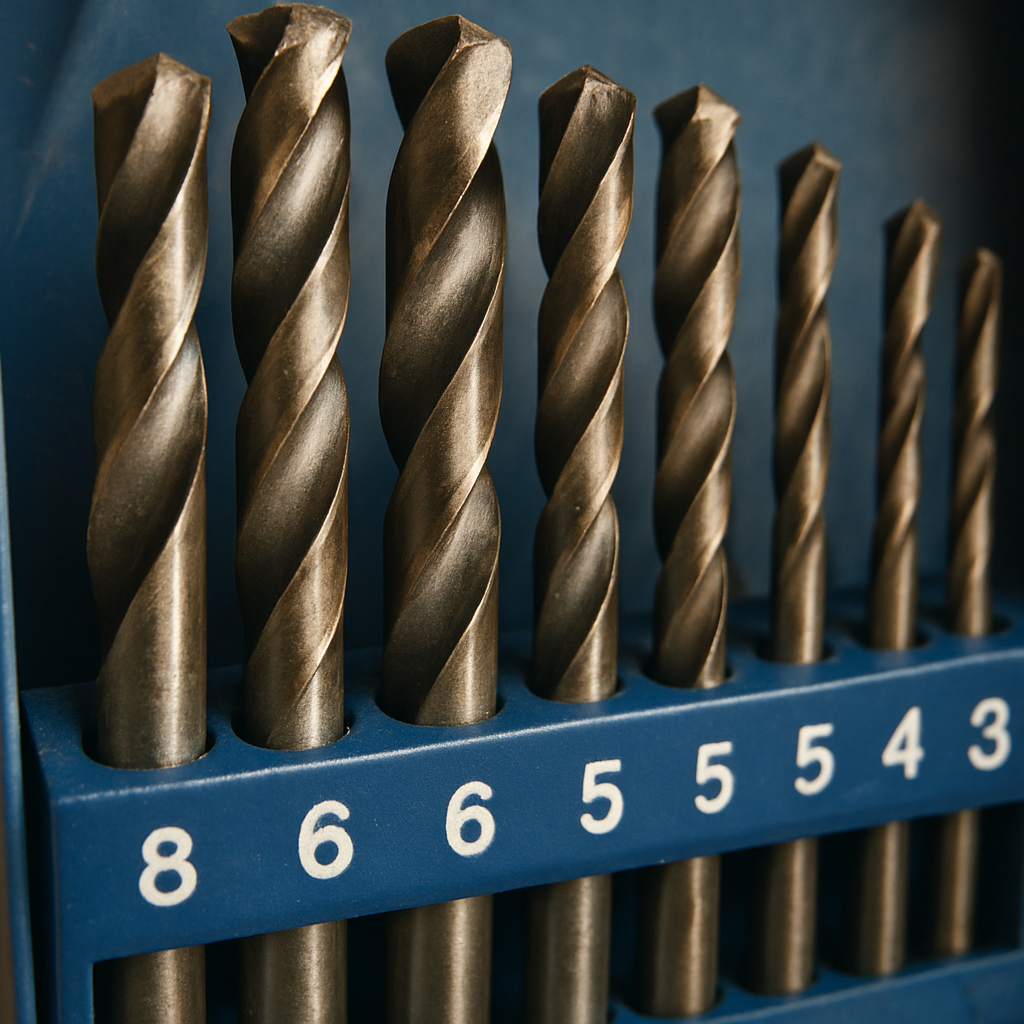
Choosing the correct drill bit size is essential for several reasons. It affects the precision of your work, the efficiency of the drilling process, and the durability of your tools. Using an incorrect size can lead to wasted time, broken bits, or improperly drilled holes that don’t meet your project specifications.
Precision and Efficiency
When drilling into concrete, precision is key. Whether you’re installing anchors, bolts, or screws, the hole needs to fit perfectly. A bit that’s too large will create a loose fit, while a bit that’s too small won’t accommodate the fixture. Additionally, using the right size enhances efficiency, allowing the drill to cut through concrete with minimal resistance.
Tool Durability
Using the right size drill bit also impacts the lifespan of your tools. A mismatched bit can cause excessive wear on both the bit and the drill, leading to frequent replacements. This not only increases costs but can also delay projects.
Exploring Masonry Drill Bit Sizes
Concrete and masonry drill bits come in various sizes, designed to match different applications. Understanding the available options will help you make informed decisions.
Common Sizes and Their Uses
Masonry drill bits typically range from 1/8 inch to 1 inch in diameter. Here’s a quick overview of common sizes and their typical uses:
- 1/8 inch to 1/4 inch: These smaller bits are perfect for lightweight applications, such as installing small anchors or screws.
- 3/8 inch to 1/2 inch: These are the most versatile sizes, suitable for a wide range of tasks, including medium-duty anchors and fixtures.
- 5/8 inch to 1 inch: Larger bits are used for heavy-duty applications, such as installing larger anchors or bolts in structural projects.
Using a Drill Bit Diameter Chart
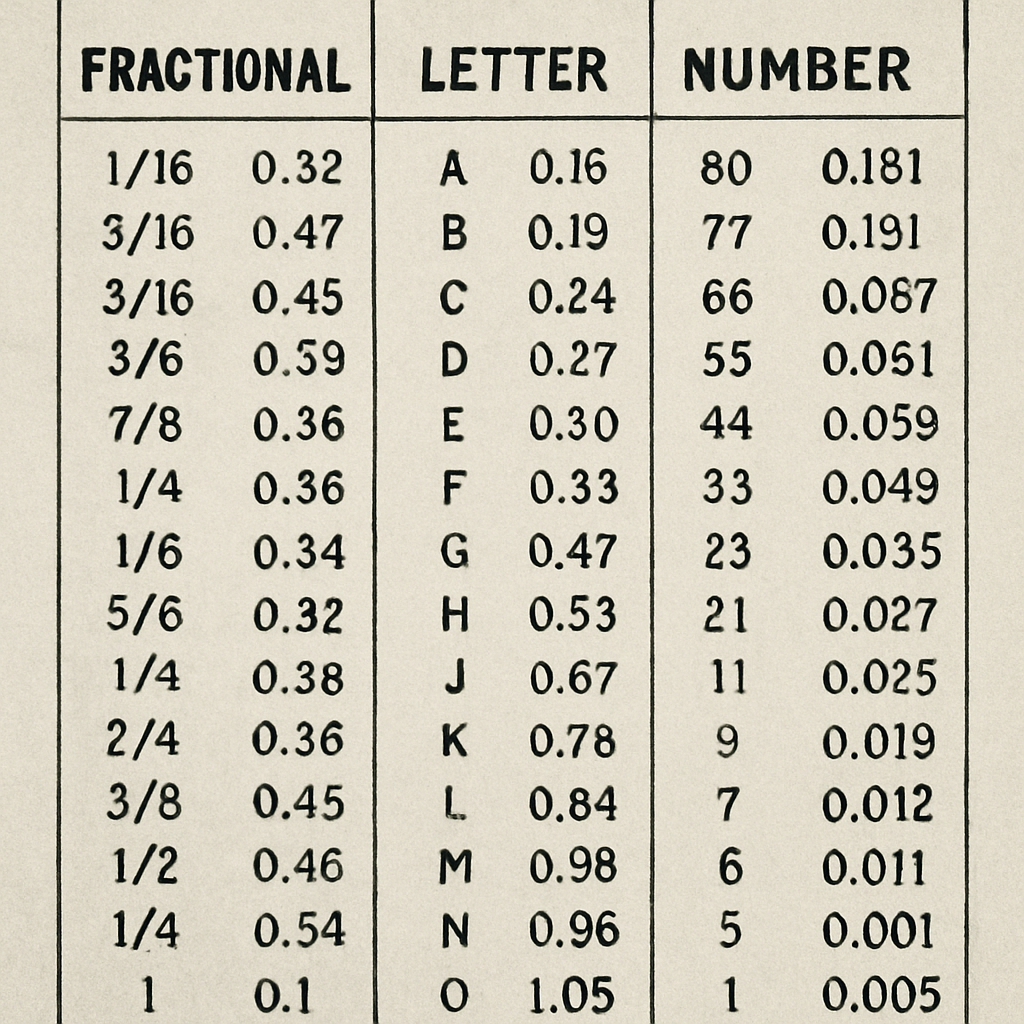
A drill bit diameter chart is a handy tool for selecting the right size. It provides a visual guide to the available sizes and their corresponding applications. Keep one in your toolkit for quick reference when planning your drilling projects.
Types of Drill Bits for Concrete
Not all drill bits are created equal. When it comes to concrete drilling, specific types are designed to handle the job effectively.
Carbide Tip Drill Bits
Carbide tip drill bits are a popular choice for concrete drilling. Their robust construction allows them to withstand the rigors of cutting through hard materials. The carbide tip enhances durability and maintains sharpness, making these bits ideal for frequent use.
Hammer Drill Bits
Hammer drill bits are specifically designed for use with hammer drills, which combine rotary and percussive forces to break through tough surfaces. These bits are perfect for heavy-duty projects where precision and power are paramount.
Specialty Masonry Drill Bits
For unique applications, specialty masonry drill bits are available. These include bits designed for specific materials or hole shapes, such as core bits for large diameter holes or rebar-cutting bits for reinforced concrete.
Selecting the Right Bit for Your Project
Choosing the right drill bit involves more than just size. Consider the nature of your project, the material you’re working with, and the tools at your disposal.
Assessing Your Project Needs
Start by evaluating the requirements of your project. What type of fixture are you installing? What is the thickness and density of the concrete? Answering these questions will guide your choice of drill bit size and type.
Understanding Concrete Density
Concrete is not a uniform material. Its density can vary based on the mix and curing process. Denser concrete may require more robust bits, such as those with carbide tips or reinforced shanks.
Matching the Bit to Your Drill

Ensure that the drill bit you select is compatible with your drill. Most standard drills can accommodate a range of bit sizes, but for larger diameters, you may need a hammer drill or a heavy-duty drill with an adjustable chuck.
Tips for Effective Concrete Drilling
Once you’ve selected the appropriate drill bit, follow these tips to ensure a successful drilling process.
Preparing Your Drill and Work Area
Before drilling, inspect your drill and bit for any signs of wear or damage. Ensure the bit is securely fastened in the chuck. Clear the work area of debris to prevent accidents.
Marking the Drilling Spot
Use a pencil or marker to indicate the exact spot where you’ll drill. This simple step helps maintain precision and prevents unnecessary mistakes.
Applying Proper Technique
Hold the drill steady and apply consistent pressure without forcing it. Allow the drill to do the work. If you’re using a hammer drill, let the percussive action assist in cutting through the concrete.
Cooling and Cleaning
Concrete drilling generates heat and dust. Periodically pause to let the bit cool, and clear dust from the hole to maintain visibility and accuracy.
Conclusion
Understanding concrete drill bit size options is crucial for any construction or DIY project involving masonry. By selecting the right size and type of bit, you ensure precision, efficiency, and tool longevity. Keep this guide handy as a reference, and you’ll be well-equipped to tackle any concrete drilling task with confidence. Whether you’re a seasoned professional or a weekend warrior, the right drill bit makes all the difference in achieving successful results.