
In the world of drilling, selecting the right tool for the job is crucial for achieving precision and efficiency. High-speed steel (HSS) twist drill bits are popular choices among professionals and hobbyists alike due to their versatility and durability. However, understanding the various sizes and diameters of HSS twist drill bits is essential for ensuring optimal performance and material compatibility.
In this article, we’ll delve into the intricacies of HSS twist drill bit sizes, exploring how to choose the right one for your project and why it’s important for precision drilling.
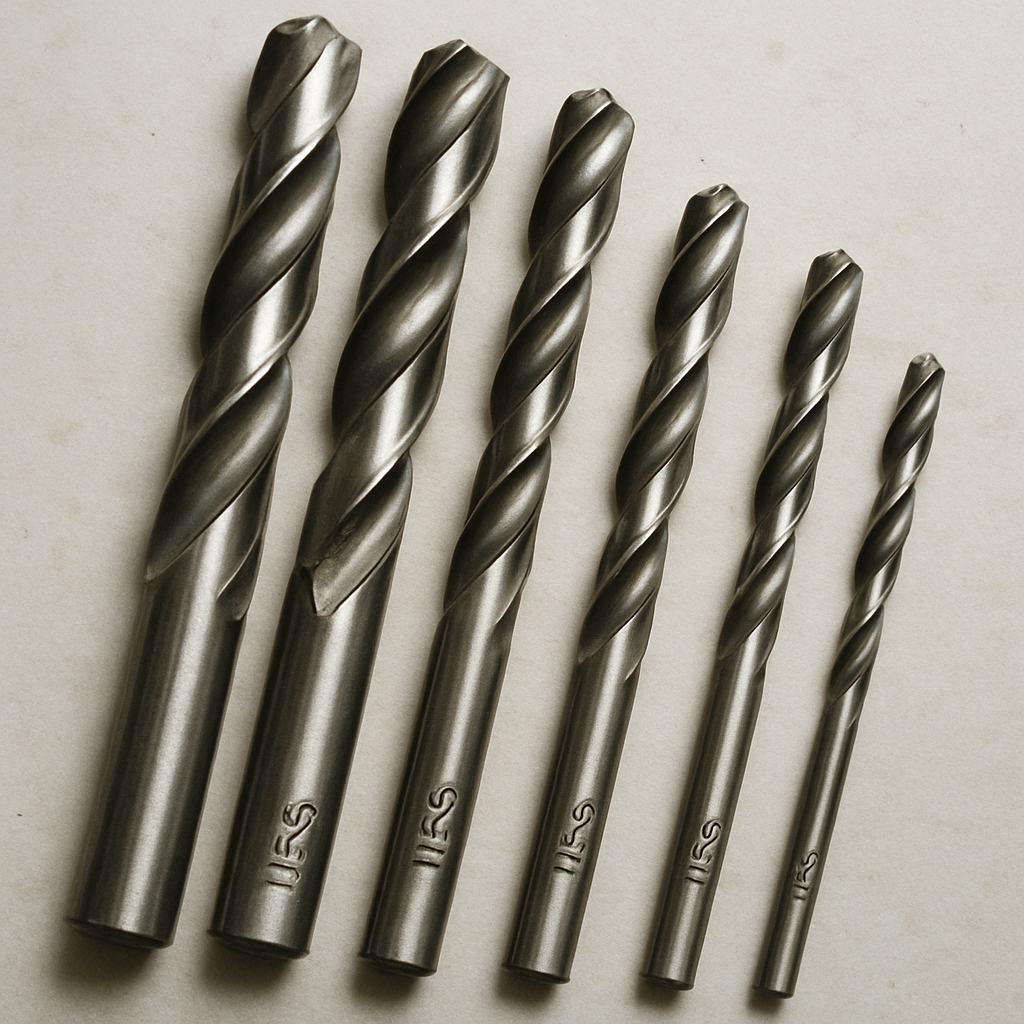
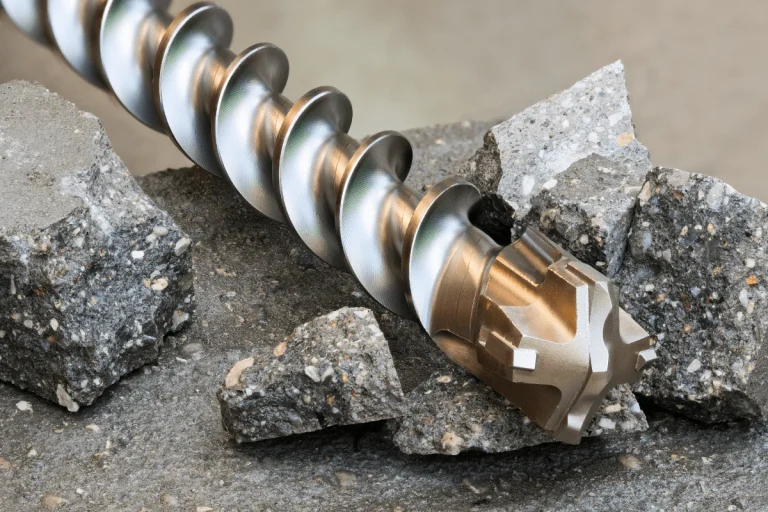
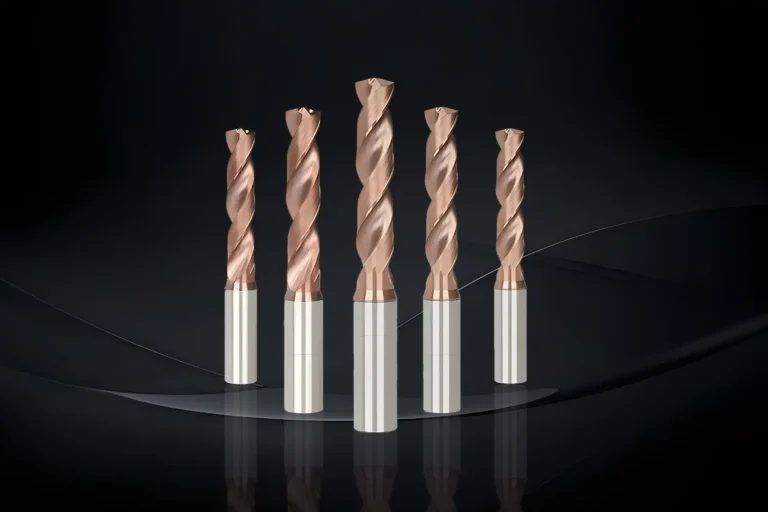
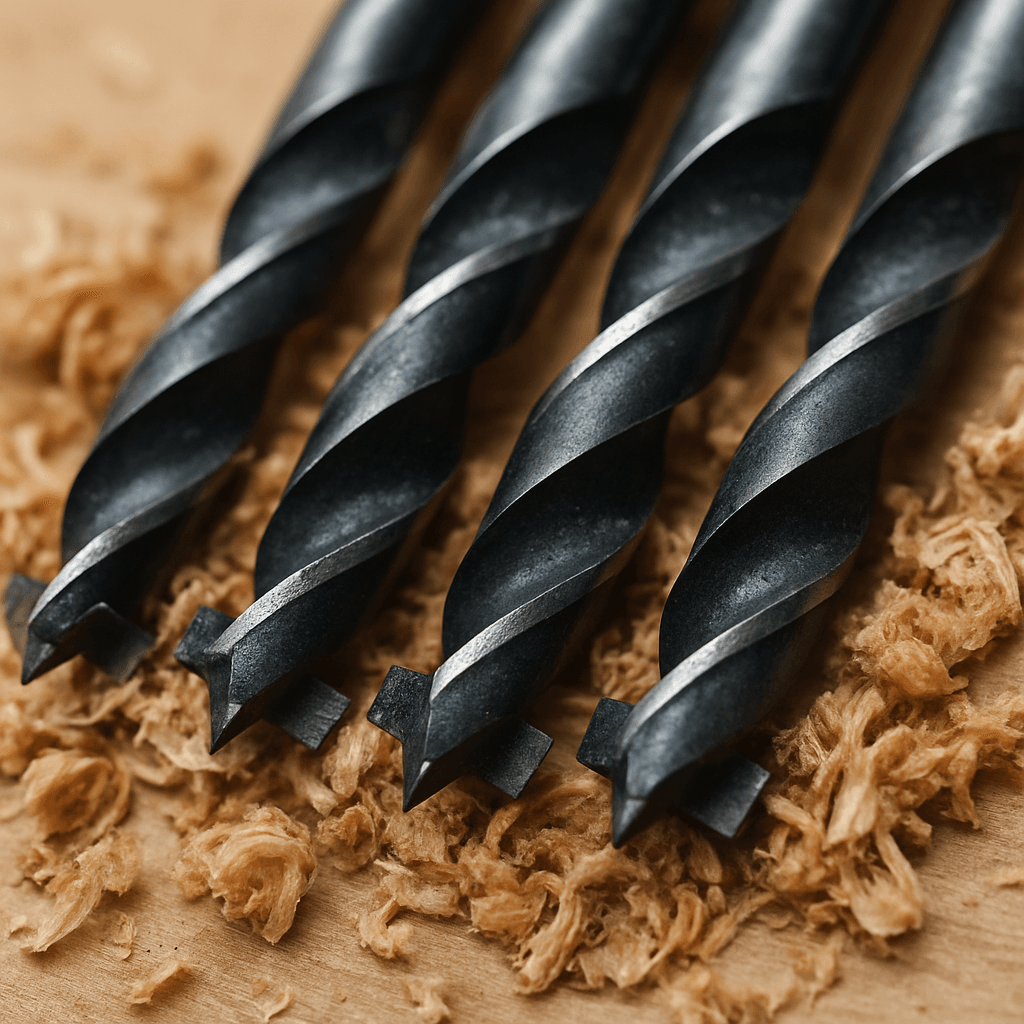
High-speed steel (HSS) twist drill bits are made from an alloy of steel that can withstand high temperatures without losing its hardness. This makes them ideal for drilling into a variety of materials, including metals, wood, and plastics. The “twist” in their name refers to the spiral flutes that wrap around the bit, which help to remove chips and debris as you drill.
Advantages of HSS Twist Drill Bits
- Durability: HSS twist drill bits are known for their long lifespan, even under high-speed and high-temperature conditions.
- Versatility: Suitable for drilling into a wide range of materials, making them a versatile choice for different projects.
- Precision: Offers accurate and clean drilling, essential for professional results.
Understanding Drill Bit Sizes
Drill bit sizes are crucial for ensuring the accuracy and success of your drilling tasks. They are typically measured in inches or millimeters, and selecting the correct size is vital for achieving the desired hole diameter and ensuring compatibility with the material you’re working with.
The Importance of Drill Bit Diameter
The drill bit diameter is the width of the bit at its widest point. This measurement is critical because it determines the size of the hole you’ll create. Using the wrong diameter can lead to issues such as loose fittings or damaged materials.
Common HSS Drill Bit Sizes
HSS twist drill bits come in a wide range of sizes to accommodate various applications. Some of the most common sizes include:
- 1/16 inch (1.59 mm): Suitable for small, precise holes in thin materials.
- 1/8 inch (3.18 mm): Commonly used for general-purpose drilling in wood and metal.
- 1/4 inch (6.35 mm): Ideal for larger holes and thicker materials.
Drill Size Guide
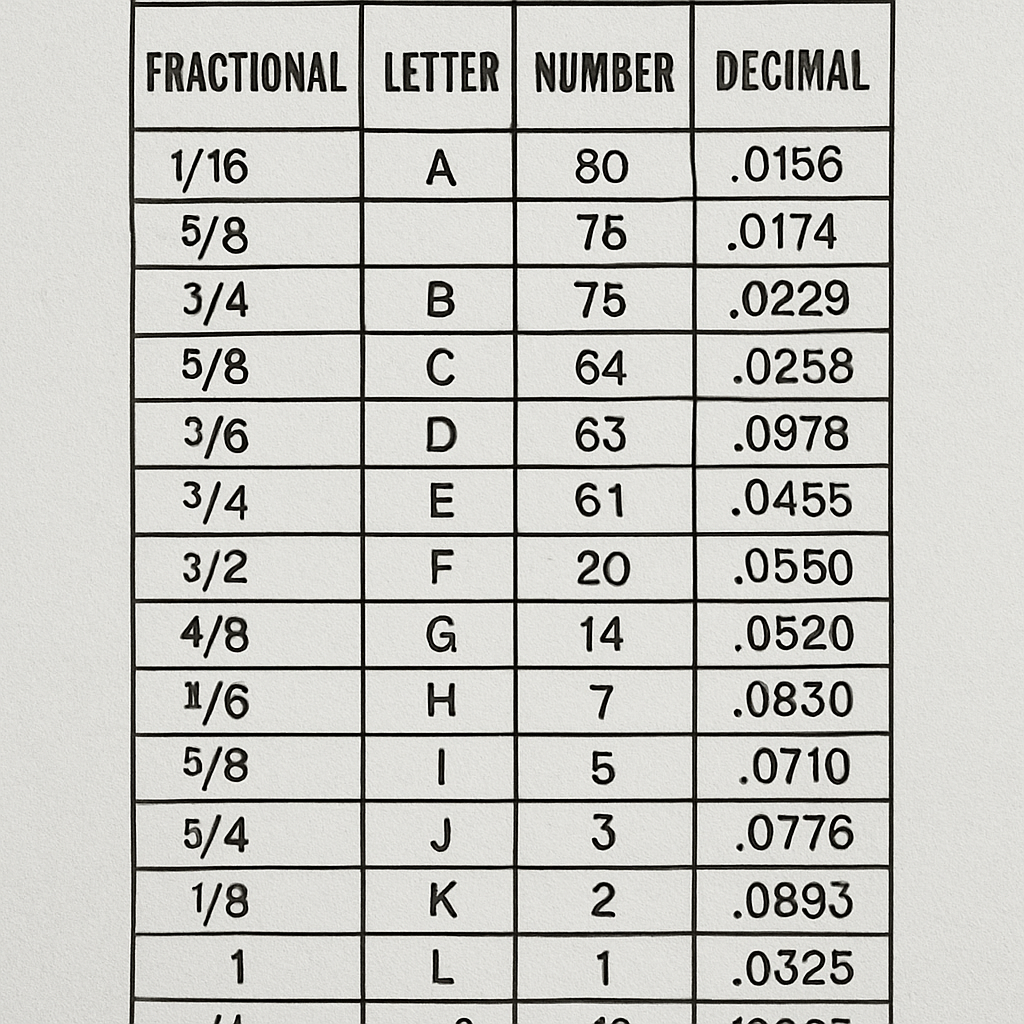
Using a drill size guide can help you select the appropriate bit for your project. These guides typically list the drill bit sizes alongside their corresponding decimal equivalents and material compatibility.
How to Use a Drill Size Guide
- Identify the Material: Determine the type of material you’ll be drilling into (e.g., metal, wood, plastic).
- Choose the Hole Size: Decide on the desired hole diameter based on the application’s requirements.
- Select the Drill Bit: Refer to the drill size guide to find the bit that matches your material and hole size needs.
Material Compatibility
The compatibility of your drill bit with the material you’re working with is crucial for achieving clean, precise holes. HSS twist drill bits are designed to work with a variety of materials, but selecting the right size and type is key.
Tips for Material Compatibility
- Metal: Use a slower drilling speed and apply cutting fluid to reduce friction and heat.
- Wood: Opt for a higher speed to prevent the wood from splitting.
- Plastic: Use moderate speed and pressure to avoid cracking.
Precision Drilling
Precision drilling is essential for achieving professional results and ensuring the integrity of your project. Properly selecting and using HSS twist drill bits can significantly impact the accuracy of your drilling.
Ensuring Drilling Accuracy
- Secure the Material: Use clamps or a vice to hold the material steady while drilling.
- Mark the Drilling Spot: Use a center punch to create a small indentation where you want to drill. This helps guide the bit and prevents it from wandering.
- Use the Correct Speed: Adjust the drill speed based on the material and bit size to maintain control and accuracy.
Conclusion
Understanding HSS twist drill bit sizes and their applications is essential for achieving precision and efficiency in your drilling projects. By familiarizing yourself with drill bit diameters, using a drill size guide, and ensuring material compatibility, you can select the right tool for any task.
Remember, the key to successful drilling lies in choosing the appropriate HSS twist drill bit for your specific needs. With the right knowledge and tools, you can tackle any project with confidence and precision.