
Understanding the anatomy of twist drill bits can significantly impact the quality and efficiency of your metal drilling tasks. Whether you’re a professional machinist or a DIY enthusiast, knowing the different parts of a drill bit and how they function can help you select the right tool for the job. In this guide, we will delve into the components of twist drill bits, explore their design, and understand their application in metal drilling.

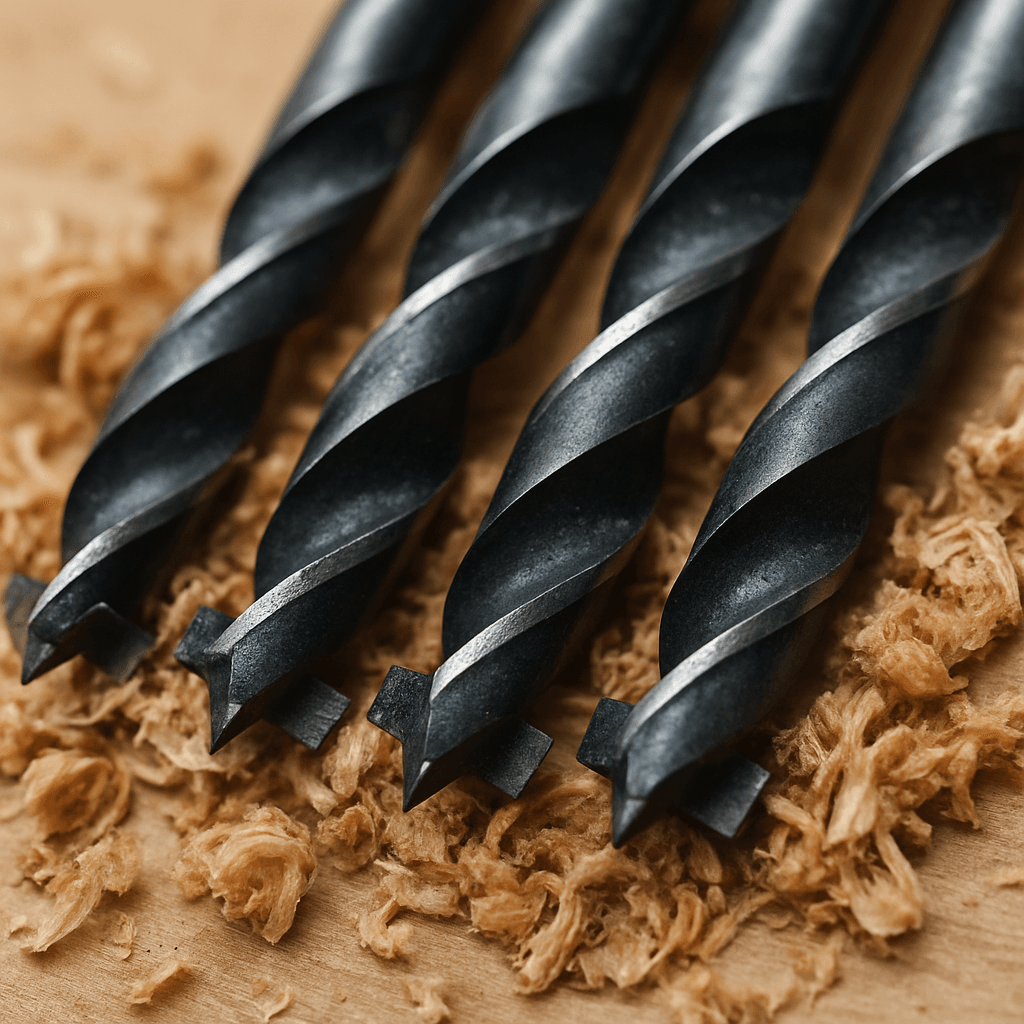
Twist drill bits are the most common type of drill bits, primarily used for cutting through metal, wood, and plastic. They are named for the twisted shape of the bit, which helps in chip removal and cutting efficiency. These versatile tools are essential for creating precise holes in various materials, making them a staple in any toolkit.
Composition of Twist Drill Bits
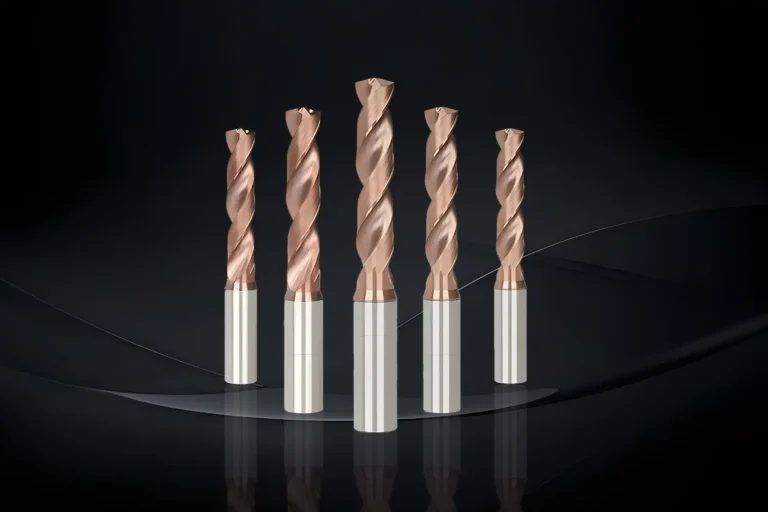
Most twist drill bits are crafted from high-speed steel (HSS), known for its durability and heat resistance. HSS drill bits can withstand high temperatures, making them ideal for cutting through hard materials like metal. Some drill bits may also feature a coating of titanium or cobalt to enhance their cutting performance and longevity.
The Anatomy of a Twist Drill Bit
To fully grasp how twist drill bits work, it’s essential to understand their anatomy. Each component of a twist drill bit plays a vital role in its functionality:
Shank
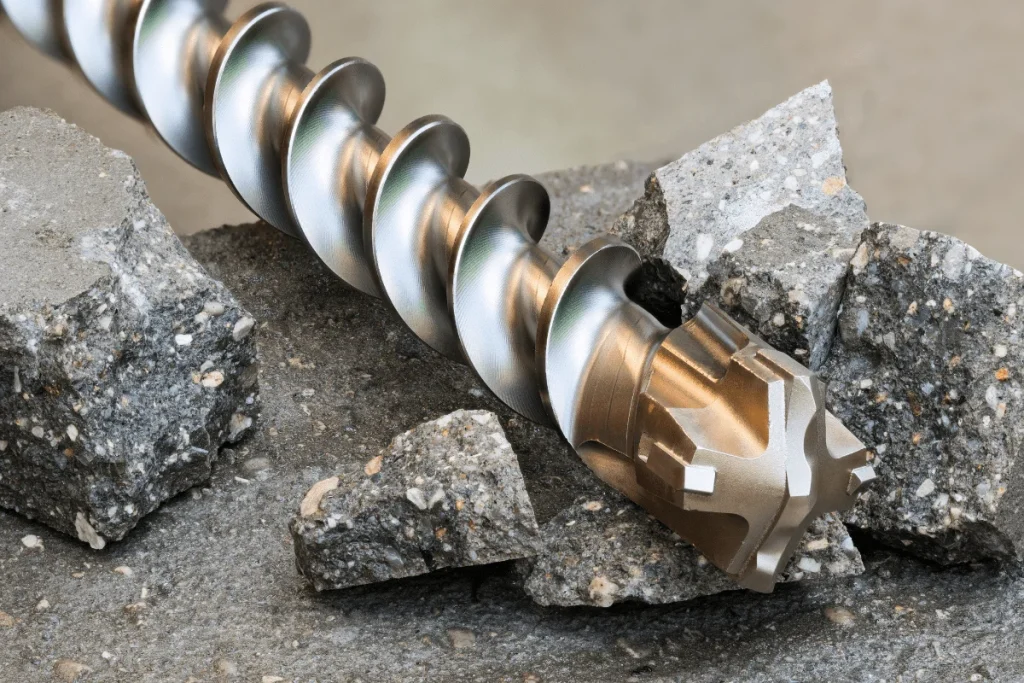
The shank is the part of the drill bit that is clamped into the drill chuck. It is usually cylindrical, but some shanks have a hexagonal shape to prevent slipping during operation. The shank must be compatible with your drill’s chuck to ensure a secure fit and optimal performance.
Body
The body of the twist drill bit is the main section between the shank and the point. It contains the flutes and margins, which are crucial for the bit’s cutting action and chip removal. The body is where most of the twist drill bit’s design intricacies come into play.
Flutes

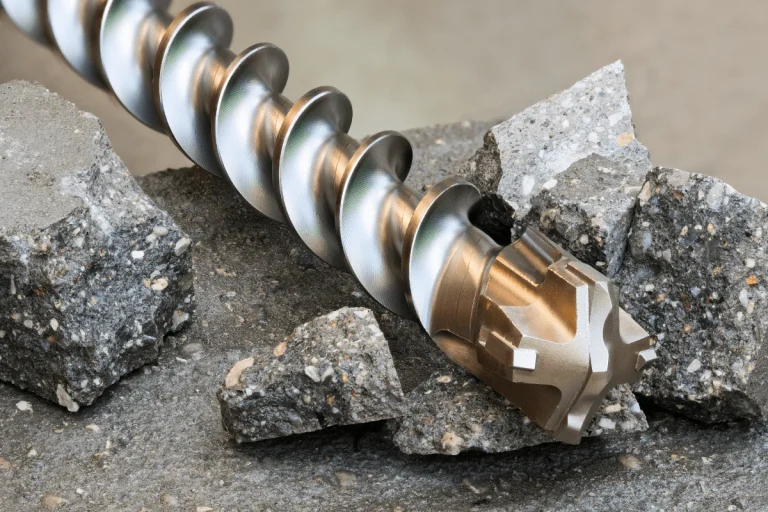
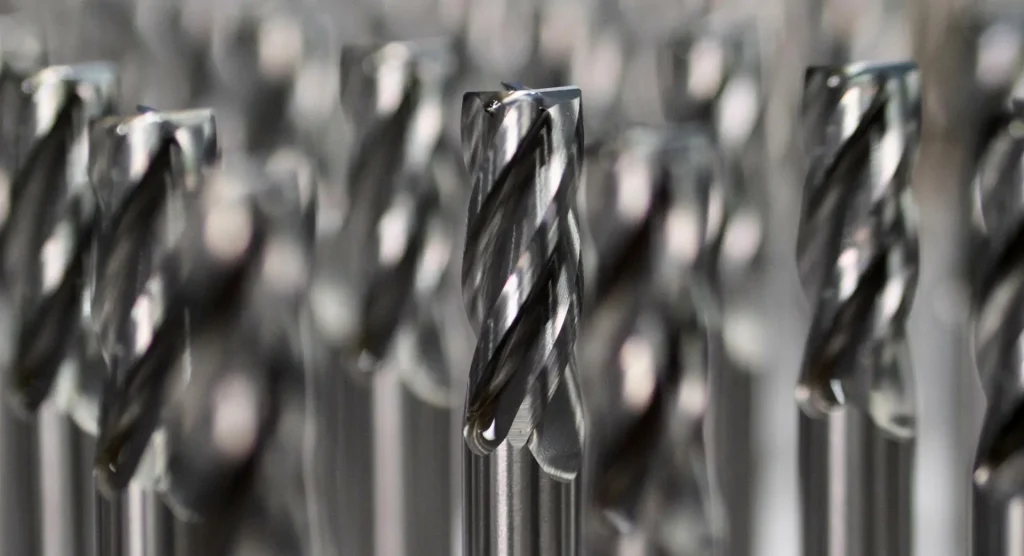
Flutes are the helical grooves that run along the body of the drill bit. They serve multiple purposes: removing chips and debris from the hole, allowing coolant to reach the cutting edges, and facilitating the cutting process. The number and design of flutes can vary, affecting the drill bit’s performance and suitability for different materials.
Cutting Edges
The cutting edges are the sharp lips located at the bit’s point, responsible for cutting into the material. These edges must be sharp and well-maintained to ensure clean, accurate holes. The cutting edges’ angle, known as the point angle, influences the bit’s ability to penetrate different materials.
Point Angle
The point angle is the angle formed between the cutting edges and the center axis of the drill bit. Common point angles are 118 degrees and 135 degrees. A 118-degree point angle is suitable for softer materials like wood and plastic, while a 135-degree angle is better for hard materials like metal. Understanding the point angle helps in selecting the right drill bit for your specific drilling task.
Drill Bit Types and Their Applications

Twist drill bits come in various types, each designed for specific applications. Here’s a brief overview of some common types:
High-Speed Steel Drill Bits
High-speed steel (HSS) drill bits are versatile and suitable for drilling in metal, wood, and plastic. They are durable and can withstand high temperatures without losing their hardness, making them ideal for metalworking tasks.
Cobalt Drill Bits
Cobalt drill bits are made from an alloy containing cobalt, providing enhanced heat resistance and strength. They are perfect for drilling through tough materials like stainless steel and hardened metals. However, they can be brittle, so they require careful handling.
Titanium-Coated Drill Bits
Titanium-coated drill bits have a layer of titanium nitride on the surface, reducing friction and heat buildup. This coating extends the bit’s life and allows for faster, more efficient drilling. They are excellent for a variety of materials but should not be used on hardened steel.
Choosing the Right Drill Bit
Selecting the right drill bit depends on several factors, including the material you’re drilling, the hole size, and the desired finish. Here are some tips to help you choose the right drill bit:
- Material Compatibility: Ensure the drill bit is suitable for the material you’re working with. For example, use cobalt drill bits for stainless steel and HSS bits for wood.
- Hole Size: Choose a drill bit with the appropriate diameter for the hole size you need. Twist drill bits come in various sizes, so select one that matches your requirements.
- Finish Quality: Consider the desired finish quality. For smoother finishes, opt for drill bits with more flutes and a sharper point angle.
Maintenance and Care
Proper maintenance of your twist drill bits ensures their longevity and optimal performance. Here are some maintenance tips:
- Sharpening: Regularly sharpen the cutting edges to maintain their effectiveness. A dull bit can cause inaccurate holes and increase wear on your drill.
- Cleaning: Clean the drill bits after use to remove debris and prevent rust. Use a soft brush and mild cleaning solution for best results.
- Storage: Store drill bits in a dry, organized manner to prevent damage and corrosion. Consider using a drill bit case for secure storage.
Conclusion
Understanding the anatomy of twist drill bits and their various types is crucial for successful metal drilling. By familiarizing yourself with the components and selecting the right drill bit for your task, you can achieve precise and efficient results. Remember to maintain your drill bits properly to extend their lifespan and ensure consistent performance. With this comprehensive guide, you are well-equipped to tackle any drilling project with confidence.