

When it comes to drilling, selecting the right drill bit is as crucial as choosing the correct drill. Twist drill bits are among the most common types used due to their versatility and effectiveness. They come in various lengths and sizes, each suited for specific tasks. This article will guide you through understanding twist drill bit lengths and their uses to ensure you make the right choice for your project.

What Are Twist Drill Bits?
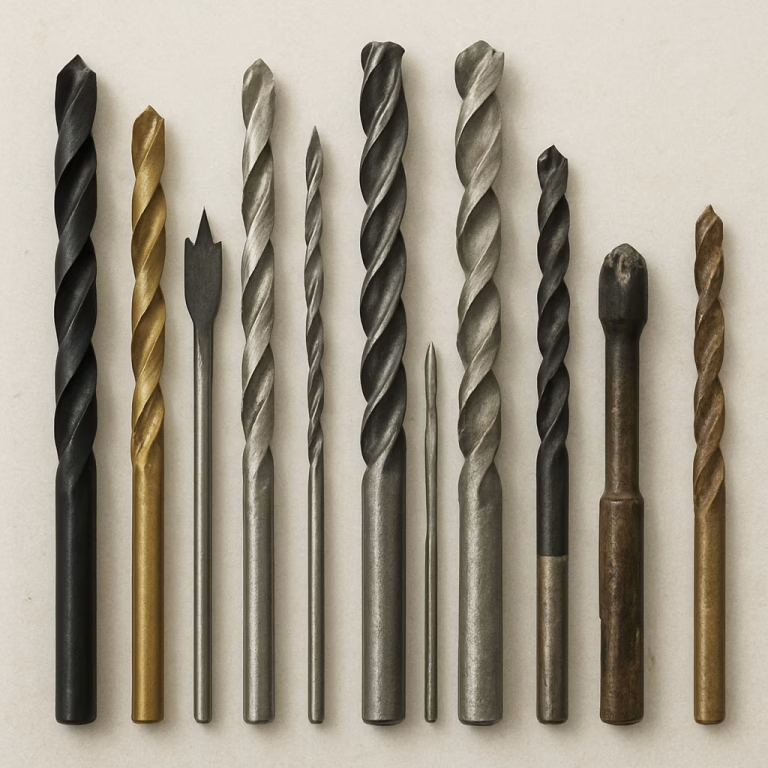
Twist drill bits are the most common type of drill bits used in various applications, from woodworking to metalworking. They have a helical shape that helps remove debris as the bit drills into the material. Their versatility makes them a staple in both professional and DIY toolboxes.
Types of Twist Drill Bits
Twist drill bits come in different types, each serving a unique purpose:
- Standard Twist Drill Bits: These are the most commonly used for general-purpose drilling.
- Long Twist Drill Bits: Ideal for drilling deep holes, these bits have extended lengths to reach challenging areas.
- Short Twist Drill Bits: Designed for precision and control, they are often used in tight spaces.
Drill Bit Length Variations
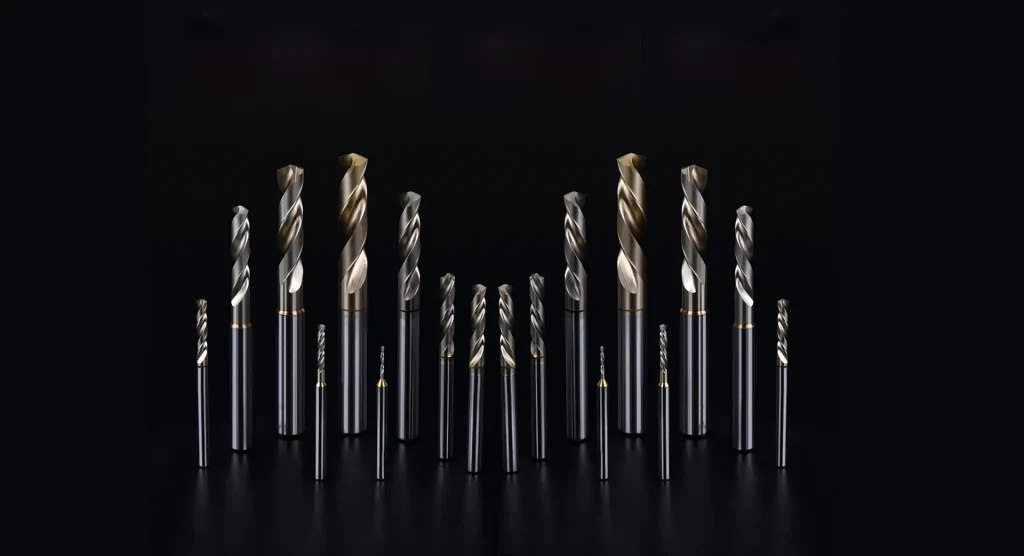
The length of a drill bit affects its performance and suitability for specific tasks. Let’s explore the different lengths and their uses.
Short Twist Drill Bits
Short twist drill bits, also known as stub bits, offer increased rigidity and control. They are less prone to bending and are perfect for tasks requiring precision, such as creating pilot holes or working in confined spaces. Their shorter length reduces the risk of bit breakage, making them a reliable choice for delicate materials.
Standard Twist Drill Bit Lengths
Standard twist drill bit lengths are versatile and are used for most general drilling tasks. They provide a good balance between length and rigidity, making them suitable for a wide range of materials and applications.
Long Twist Drill Bits

Long twist drill bits are designed for drilling deep holes or reaching areas that standard bits cannot access. These extended length twist drill bits are ideal for tasks like drilling through thick materials or creating deep holes for wiring and plumbing. However, their increased length can make them more prone to bending, so they require careful handling.
Selecting the Right Twist Drill Bit Length
Choosing the right twist drill bit length depends on the task at hand. Here are some considerations to help guide your selection:
- Material Thickness: For thicker materials, opt for longer drill bits to ensure you can reach the required depth.
- Precision Requirements: If precision is crucial, shorter bits offer better control and stability.
- Access Constraints: Consider the working environment. If space is limited, a shorter bit may be necessary.
Using a Twist Drill Bit Size Chart
A twist drill bit size chart is a valuable tool for selecting the appropriate bit size and length. It provides information on the diameter and length of each bit, helping you match the bit to your project’s requirements.
Twist Drill Bit Uses
Twist drill bits are incredibly versatile and can be used in various materials, including wood, metal, plastic, and more. Here’s a closer look at their applications:
Woodworking
In woodworking, twist drill bits are used for creating holes for screws, dowels, and other fittings. The choice of bit length depends on the wood’s thickness and the depth required for the hole.
Metalworking

For metalworking, selecting the right drill bit is crucial to avoid damaging the material. Twist drill bits made of high-speed steel or cobalt are ideal for metal, and the length should be chosen based on the thickness of the metal sheet or block.
Plastic and Other Materials
Twist drill bits can also be used on plastic and other softer materials. When drilling plastic, it’s essential to use a slow speed to prevent melting and ensure a clean hole.
Maintaining Your Twist Drill Bits
Proper maintenance of your twist drill bits ensures they remain effective and extend their lifespan. Here are some tips:
- Regular Cleaning: Remove debris and residue after each use to prevent buildup and corrosion.
- Sharpening: Keep your bits sharp for optimal performance. Dull bits can damage materials and lead to poor results.
- Storage: Store your bits in a dry place to prevent rust and keep them organized in a drill bit case or holder.
Conclusion
Understanding the different lengths and types of twist drill bits is essential for selecting the right tool for your project. Whether you’re working with wood, metal, or plastic, choosing the correct bit length can significantly impact the quality and efficiency of your work. By considering the task requirements and using a twist drill bit size chart, you can ensure you have the right tool for every job. Keep your bits well-maintained, and they will serve you well for many projects to come.