


Drilling into concrete or masonry requires the right tools to get the job done efficiently and safely. Whether you’re a professional contractor or a DIY enthusiast, choosing the right cement drill bit set is crucial for your project’s success. With so many options available, it’s easy to feel overwhelmed. But fear not! This guide will help you understand the different types of drill bits and how to select the best set for your needs.
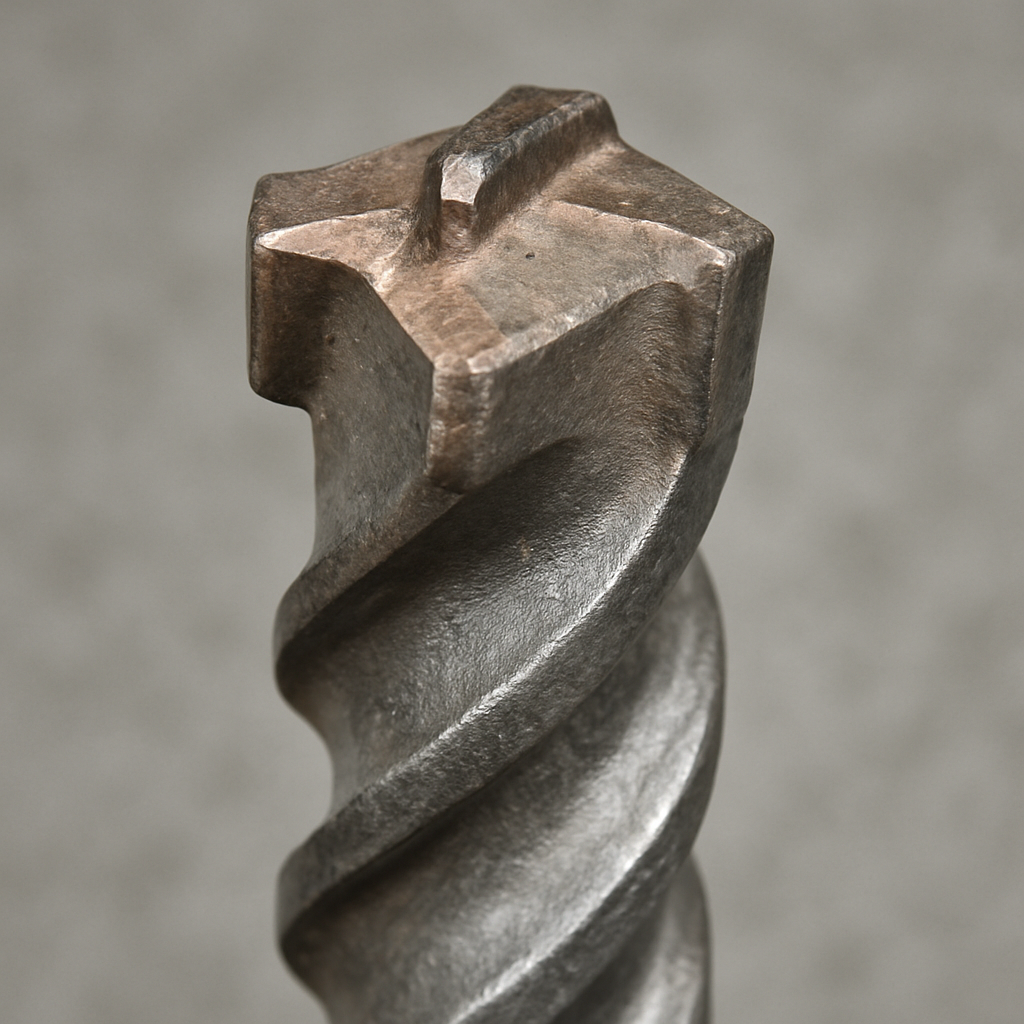
When it comes to drilling into hard surfaces like concrete, brick, or stone, not all drill bits are created equal. Drill bits for concrete are specifically designed to withstand the high impact and pressure needed to penetrate these tough materials. These bits usually feature carbide tips that are incredibly hard and durable.
Hammer Drill Bits vs. Rotary Hammer Bits
Two common types of drills used for masonry are the hammer drill and the rotary hammer. Each requires different bits:
- Hammer Drill Bits: These are ideal for light to medium-duty drilling. They work with hammer drills that combine rotary motion with a hammering action. Hammer drill bits are suitable for concrete, brick, and masonry.
- Rotary Hammer Bits: For more heavy-duty tasks, rotary hammer bits are the way to go. They are used with rotary hammer drills, which provide a more powerful hammering action. These bits are often SDS Plus bits, designed for efficient energy transfer and less slippage.
Masonry Drill Bit Set
A masonry drill bit set typically includes various sizes of bits, allowing you to tackle different projects. These sets are versatile and can be used for concrete, brick, and stone surfaces. The bits are usually made of hardened steel with carbide tips for added durability.
Selecting the Right Cement Drill Bit Set
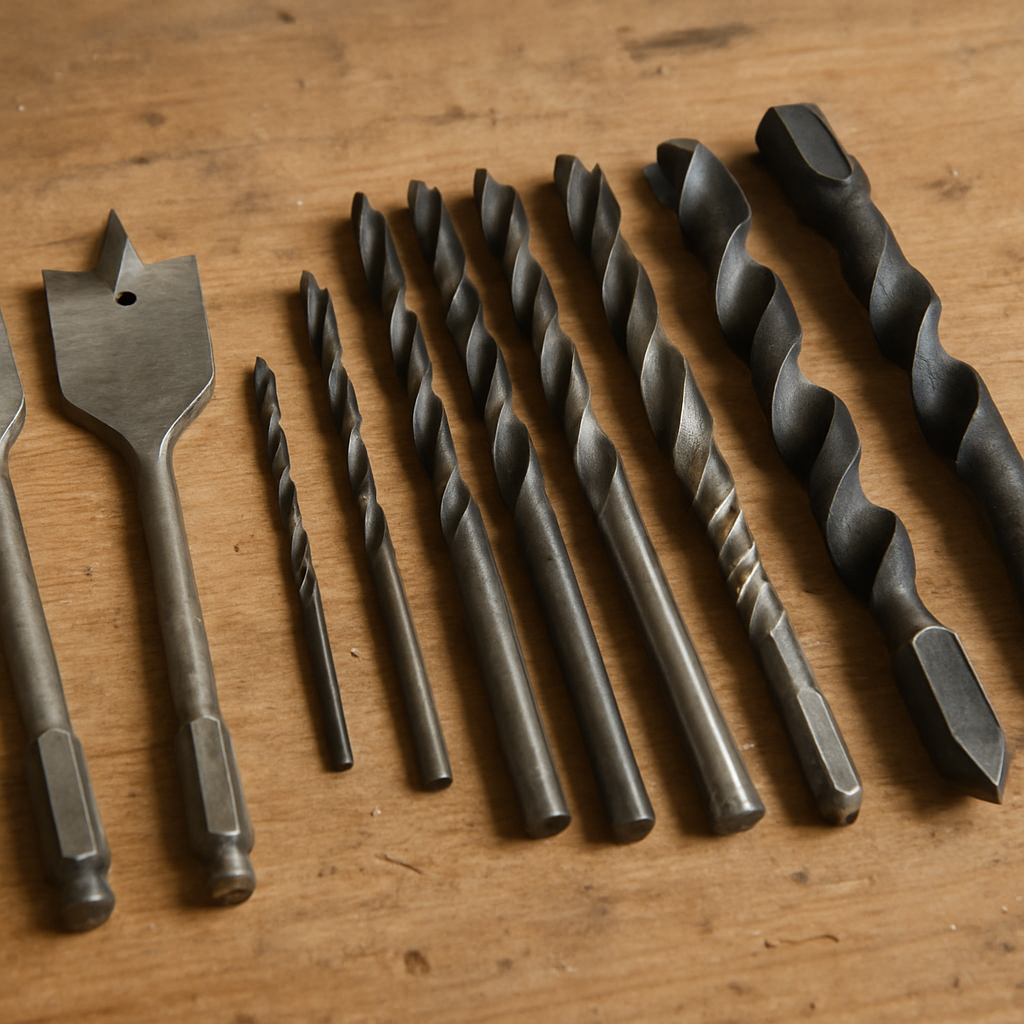
Choosing the right cement drill bit set involves understanding your specific needs and the types of projects you intend to tackle. Here’s a breakdown of key considerations:
Project Type and Material
Before purchasing a drill bit set, consider the type of material you will be drilling into. For example:
- Concrete and Cement: Use carbide-tipped drill bits or masonry sets specifically designed for concrete.
- Brick and Stone: A brick drill bit set or stone drilling set will work best.
- Heavy-Duty Applications: Opt for SDS Plus bits or rotary hammer bits for intense drilling tasks.
Drill Compatibility
Ensure that the bits you choose are compatible with your drill. If you own a hammer drill, select hammer drill bits. For rotary hammers, choose SDS Plus bits or other compatible options.
Bit Size Variety
A good drill bit set should include a variety of bit sizes. This allows you to handle different tasks without needing to purchase additional bits. A comprehensive set will typically range from small to large diameters.
Quality and Durability
Investing in high-quality, durable bits will save you time and money in the long run. Look for bits made with carbide tips or other high-strength materials. These will last longer and perform better than cheaper alternatives.
Tips for Using Cement Drill Bits

Even with the right drill bits, drilling into concrete can be challenging. Here are some tips to make the process smoother:
Use the Right Drill
Ensure you’re using a drill that’s suited for the task. A hammer drill or rotary hammer is necessary for masonry work, as regular drills won’t provide the necessary power or hammering action.
Start with a Small Pilot Hole
Begin with a smaller bit to create a pilot hole. This makes it easier to drill with larger bits and reduces the risk of damaging the bit or drill.
Apply Steady Pressure
Let the drill do the work. Apply steady, even pressure and avoid forcing the bit through the material. This will prolong the life of your bits and prevent overheating.
Keep Bits Cool
Drilling generates heat, which can dull your bits quickly. Occasionally, pull the bit out to allow it to cool, or use water to keep it cool during the process.
Maintenance and Care
Proper maintenance will extend the life of your drill bits:
- Cleaning: After use, clean your bits to remove any dust or debris. This prevents buildup that can affect performance.
- Storage: Store bits in a case or holder to protect them from damage and keep them organized.
- Sharpening: Some bits can be sharpened to restore their cutting edges. Check the manufacturer’s guidelines to see if this is an option.
Conclusion
Choosing the right cement drill bit set is essential for completing your masonry projects. By understanding the types of drill bits available and considering your specific needs, you can select a set that will serve you well for years to come. Remember, investing in quality tools is always a smart choice, as it leads to better results and saves time and effort in the long run. Happy drilling!