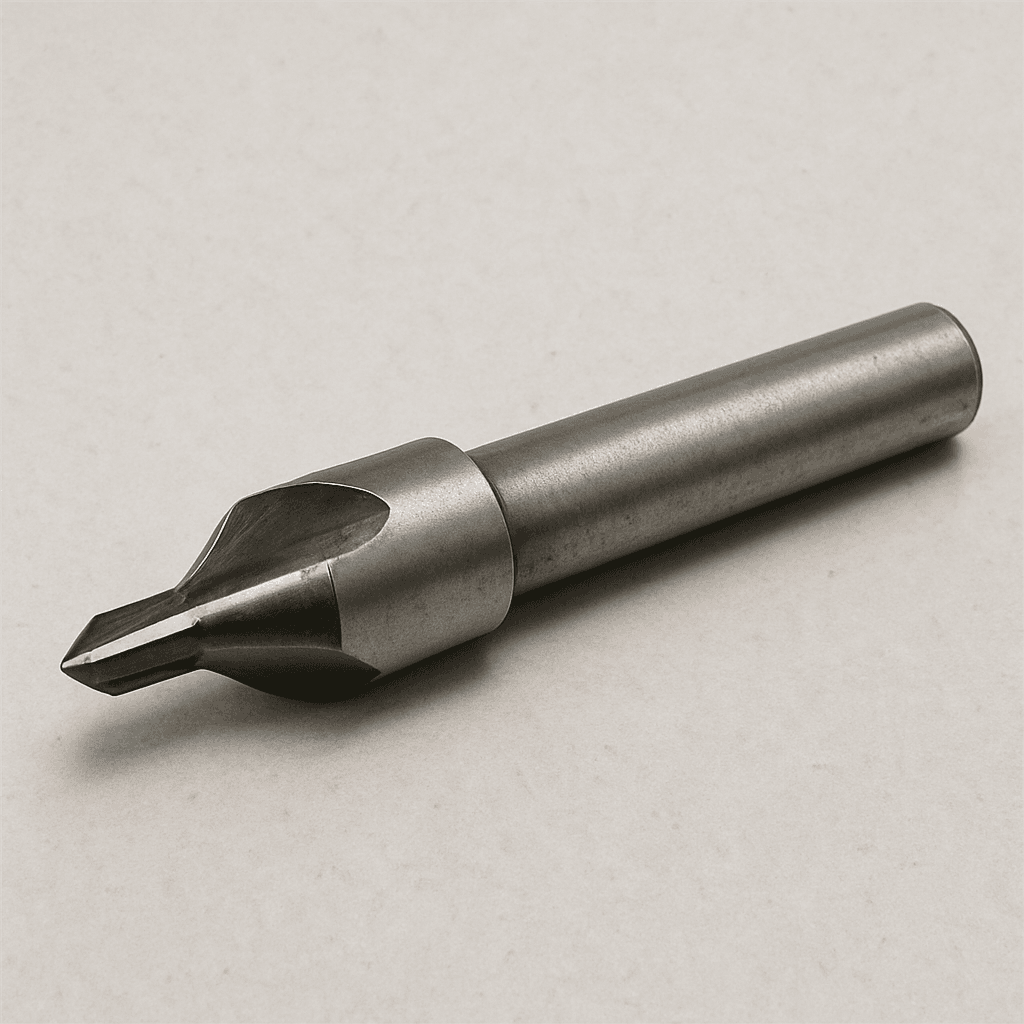


Introduction
Drilling is a fundamental process in many construction and DIY projects. However, understanding the different parts of a drill bit can sometimes be confusing, especially when terms like “twist” and “shank” come into play. This article aims to simplify the concepts by discussing the difference between drill bit twist and shank, and why these components are crucial for effective drilling.
Importance of Understanding Drill Bit Parts
Understanding these components is essential whether you’re a professional contractor or a weekend warrior tackling home projects. By delving deeper into the anatomy of drill bits, you can make informed decisions about which bits to use for specific tasks.
Anatomy of a Drill Bit
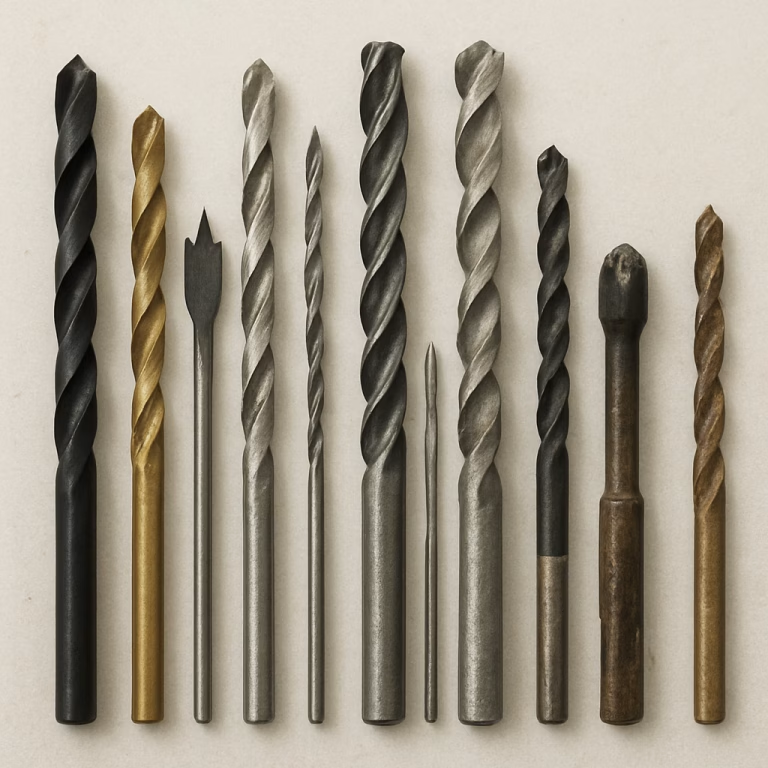
Before diving into the specifics of twist and shank, it’s essential to understand the basic anatomy of a drill bit. A drill bit is made up of several parts, each serving a distinct purpose:
Tip – The cutting edge that starts the hole.
Flutes – Spiral grooves that remove debris.
Twist – The part including the flutes, aiding in cutting and chip removal.
Shank – The end that fits into the drill chuck.
Body – Provides strength and rigidity.
Point Angle – Determines penetration efficiency.
What Is the Twist of a Drill Bit?
The twist of a drill bit refers to the spiral grooves that wrap around its body. These grooves help remove material during drilling, reducing friction and heat build-up. Proper twist design enhances cutting performance and prolongs bit life.
Common Types of Twist Drill Bits
High-Speed Steel (HSS) – For metal, wood, and plastic.
Cobalt Bits – For hard materials like stainless steel.
Carbide-Tipped Bits – For masonry and tough materials.
What Is the Shank of a Drill Bit?
The shank is the smooth end that fits into the drill’s chuck. It transmits rotational force from the drill to the bit and ensures a stable connection.
Types of Drill Bit Shanks
Straight Shank – Common for general-purpose use.
Hex Shank – Prevents slipping, ideal for impact drivers.
Reduced Shank – Allows large bits in smaller chucks.
Tapered Shank – For industrial or heavy-duty applications.
Difference Between Twist and Shank
Twist: Responsible for cutting and chip removal.
Shank: Ensures secure fitting and stability.
Together, they determine the efficiency and accuracy of drilling.
Materials and Design Considerations
Both the twist and shank are usually made from durable materials like high-speed steel or carbide. Quality materials ensure longevity and high performance under demanding conditions.
Tips for Selecting the Right Drill Bit
Match the bit material to the drilling surface.
Ensure proper size and chuck compatibility.
Choose the correct shank type for your drill.
Conclusion
Understanding the difference between the twist and shank of a drill bit is key to improving efficiency, safety, and precision. Selecting the right combination ensures smoother drilling, longer tool life, and better project outcomes.