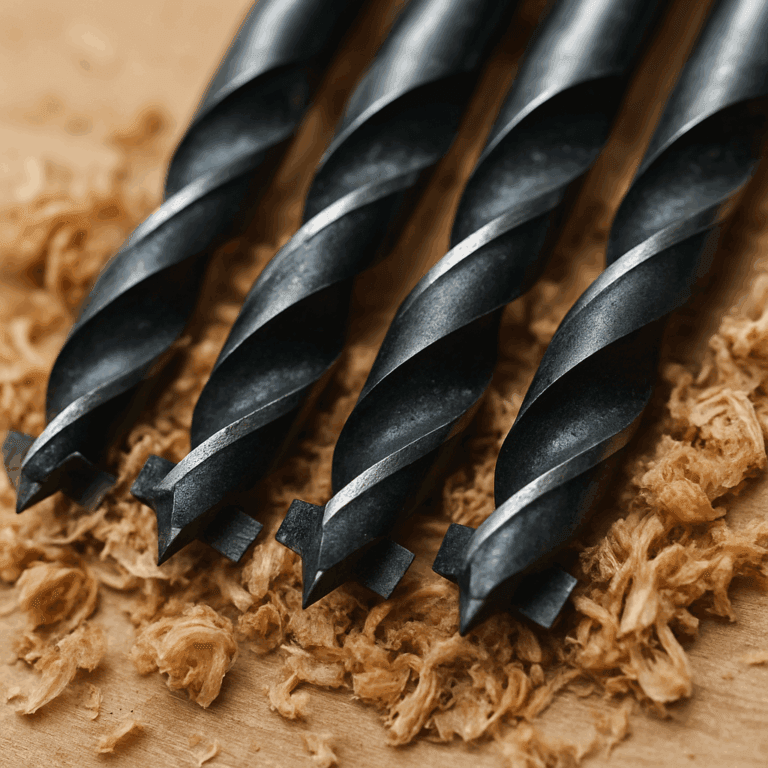


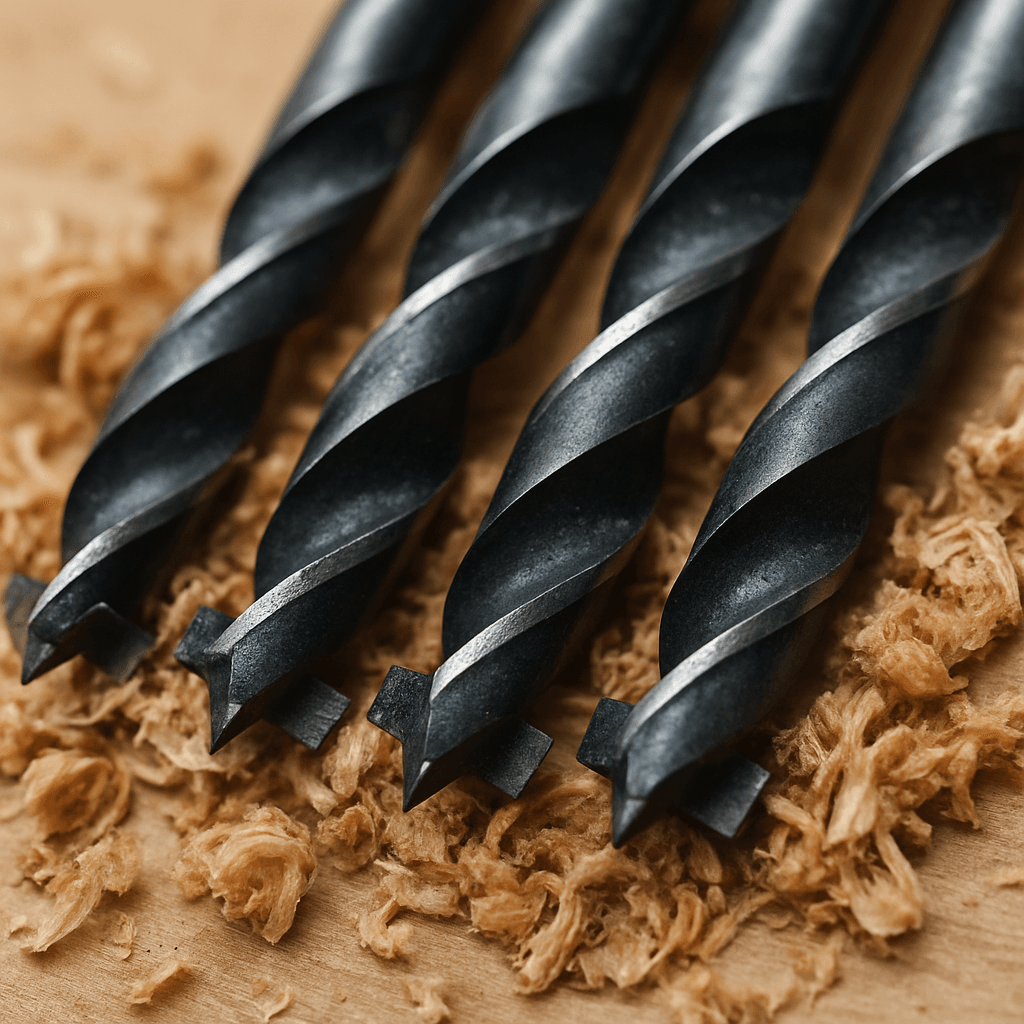
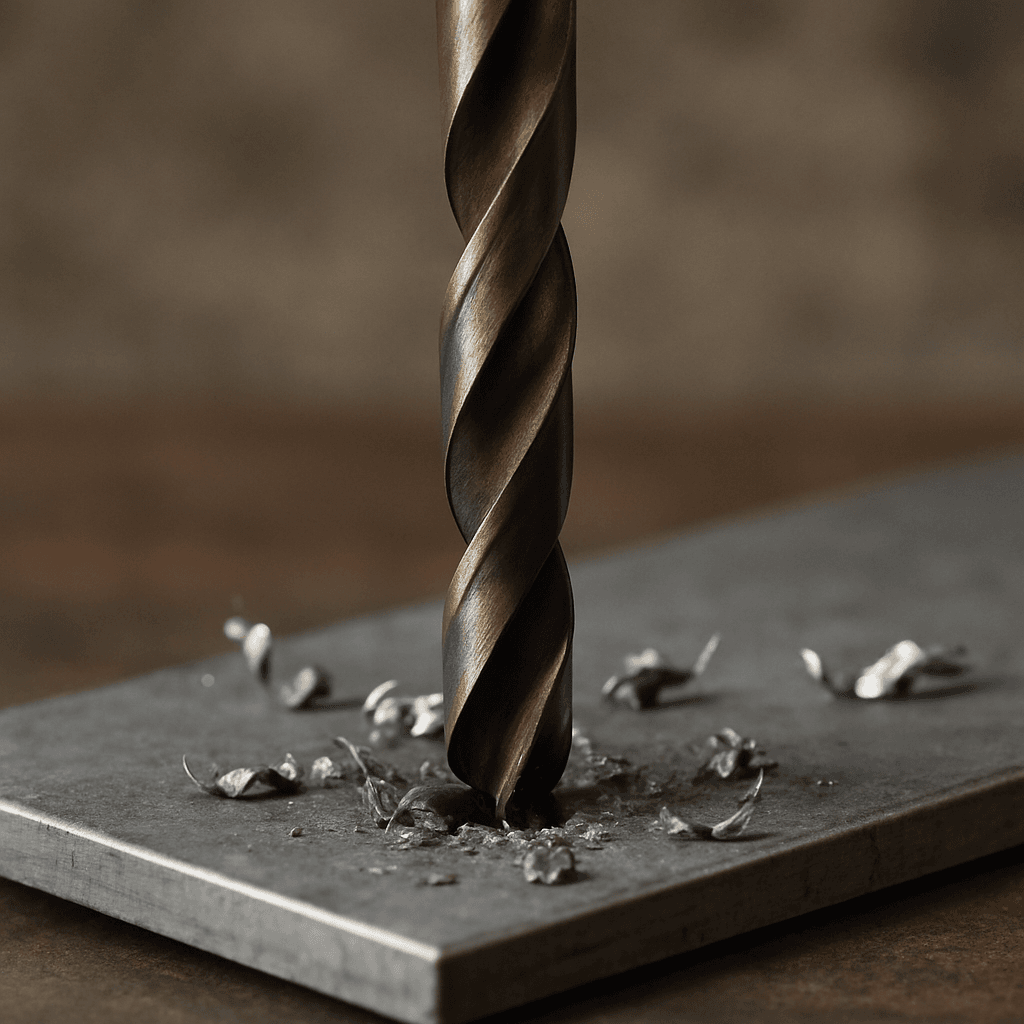

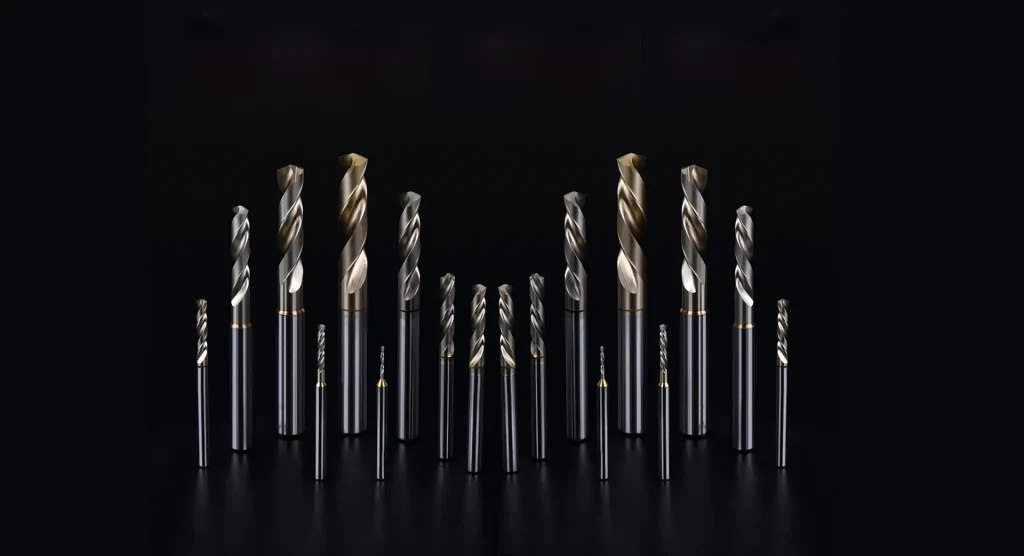
When it comes to drilling through tough materials like concrete, stone, or masonry, having the right drill bit set is essential. Whether you’re a DIY enthusiast or a professional contractor, selecting the appropriate tools can make your job easier and more efficient. In this guide, we’ll delve into the world of concrete drill bits and help you choose the right set for your needs.

Concrete drill bits are specifically designed to handle hard surfaces. Unlike standard drill bits, these are built to withstand the high friction and heat generated when drilling into tough materials. They often feature carbide tips, which are extremely hard and can maintain their sharpness longer than other materials.
Types of Concrete Drill Bits
There are several types of concrete drill bits, each serving a unique purpose:
- Masonry Drill Bits: These are the most common and versatile type of concrete drill bits. They are typically used for drilling holes in brick, stone, and concrete.
- SDS Drill Bit Set: SDS stands for “Slotted Drive System,” which provides a more secure hold in the drill chuck. SDS bits are perfect for heavy-duty drilling tasks and are commonly used in rotary hammers.
- Carbide-Tipped Concrete Bits: These bits are equipped with a carbide tip, making them durable and ideal for drilling into concrete and stone.
- Hammer Drill Bits: Designed to work with hammer drills, these bits are perfect for creating holes in hard materials by combining rotary and hammering action.
Key Features to Look For
When choosing a concrete drill bit set, several key features should be considered:
Material and Coating
The material of the drill bit plays a significant role in its performance. Carbide-tipped bits are preferred for their hardness and longevity. Some bits also come with coatings that reduce friction and heat, improving the bit’s lifespan and drilling speed.
Bit Length and Diameter

Consider the length and diameter of the bits in the set. Longer bits can reach deeper into materials, while various diameters allow for different hole sizes. It’s beneficial to have a set that offers a range of both.
Compatibility with Drills
Ensure that the drill bit set is compatible with your drill. For example, SDS drill bits require an SDS-compatible drill, while hammer drill bits should be used with a hammer drill for optimal performance.
Choosing the Right Set for Your Needs
Your choice of drill bit set largely depends on the specific tasks you plan to undertake:
For DIY Home Projects
If you’re handling basic DIY projects around the house, a standard masonry drill bit set might suffice. These sets are versatile and can handle most light to medium drilling tasks.
For Professional Use

Professionals often require a more robust solution. An SDS drill bit set or a set of carbide-tipped concrete bits is ideal for those who frequently drill into hard materials. These sets are designed for durability and can handle the demands of heavy-duty applications.
For Specialized Tasks
For tasks involving particularly hard or abrasive materials, look for bits specifically designed for those purposes. Stone drilling bits and SDS plus concrete bits are examples that cater to specific needs.
Maintenance Tips for Concrete Drill Bits
Taking care of your drill bits can extend their life and ensure they perform well:
- Regular Cleaning: After each use, clean the bits to remove any debris or dust. This prevents buildup that can dull the bit.
- Proper Storage: Store your drill bits in a dry place to prevent rust and corrosion. Many sets come with a case for easy and safe storage.
- Check for Wear and Tear: Regularly inspect your bits for signs of wear. Replace any bits that are chipped or worn down to maintain optimal performance.
Conclusion
Choosing the right concrete drill bit set is crucial for efficient and successful drilling. By understanding the different types of bits and their features, you can select a set that best suits your needs, whether for DIY projects or professional tasks. Remember to consider the material, length, and compatibility of the bits, and take good care of them to ensure they last as long as possible. With the right set, you can tackle any concrete, stone, or masonry project with confidence.