

When it comes to drilling, choosing the right drill bit for your project can significantly impact the quality and efficiency of your work. Among the vast array of drill bits available on the market, the twist drill bit often stands out as a common choice due to its versatility and efficiency. However, how does it compare to other types of drill bits available? In this comprehensive article, we’ll delve deeper into the differences, uses, and advantages of twist drill bits versus other drill bits, providing you with the insights needed to make an informed decision for your next project.

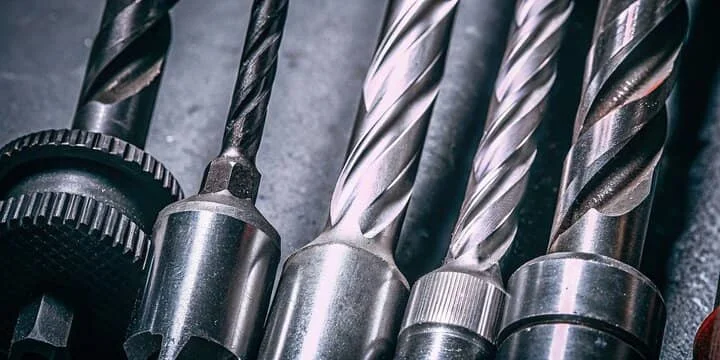
A twist drill bit is one of the most ubiquitous and versatile types of drill bits used across various industries. It consists of a cylindrical shank with spiral flutes running along its length, which are expertly designed to channel debris away from the hole as the drill bit penetrates the material. These flutes not only aid in debris removal but also help keep the bit cool during operation, minimizing wear and tear. Typically made from high-speed steel (HSS) or sometimes cobalt and carbide for tougher applications, twist drill bits are celebrated for their capacity to cut through a diverse range of materials with ease.
Advantages of Twist Drill Bits
- Versatility: Twist drill bits are suitable for use on a wide array of materials, including metal, wood, and plastic, making them an excellent choice for general-purpose drilling. This adaptability means one bit can often handle multiple tasks, saving time and resources.
- Efficiency: The spiral design of twist drill bits facilitates quick and effective removal of debris, maintaining a clean drilling process and reducing the likelihood of bit binding or overheating. This efficiency is key in maintaining a smooth operation and prolonging the life of the bit.
- Precision: Known for providing precise, clean holes, twist drill bits are indispensable for tasks requiring accuracy. Their design ensures minimal wandering on the material surface, which is essential for both amateur DIY enthusiasts and professional craftsmen aiming for excellence.
Different Types of Drill Bits

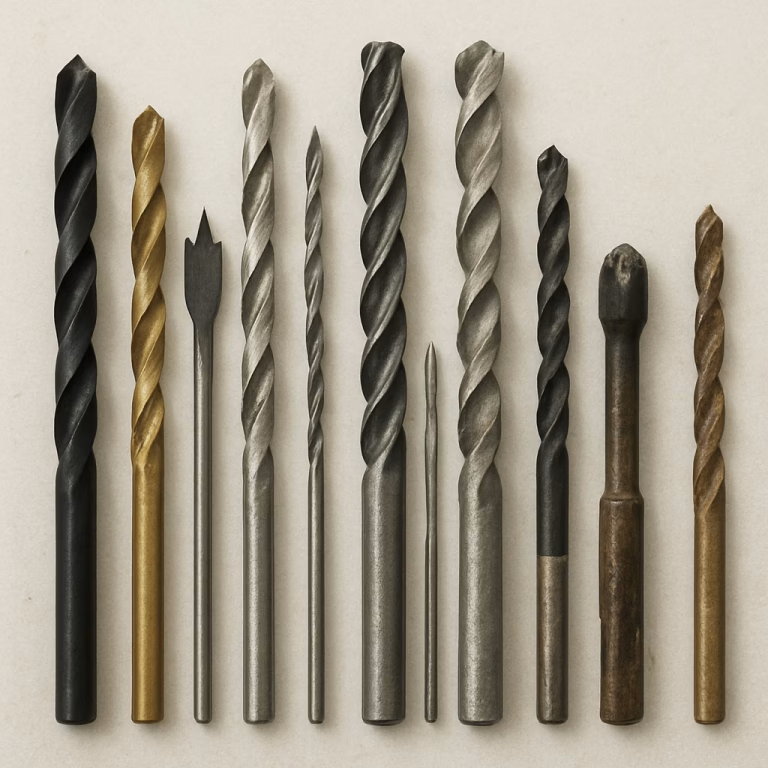
While the twist drill bit is indeed a popular choice, the world of drill bits is vast and varied, each type designed for specific tasks and materials. Understanding these differences is crucial in selecting the right bit for your job, ensuring efficiency and quality in your work.
High-Speed Steel Twist Drill
High-speed steel (HSS) twist drills represent an advancement over the standard twist drill. Constructed to withstand higher temperatures, they are particularly advantageous when drilling into harder materials like metal. The robustness of HSS twist drills not only enhances their performance but also reduces the need for frequent replacements, ultimately saving both time and costs in the long run. This durability makes them a staple in many workshops and industries where reliability is key.
Brad Point Bits
Brad point bits are specially crafted for woodworking, featuring a pointed tip that aids in centering the bit precisely on the workpiece. This design significantly reduces the chance of the bit wandering off course, which is crucial for achieving clean, accurate holes in wood. The precision offered by Brad Point bits makes them the preferred choice for fine woodworking and cabinetry, where detail and accuracy are paramount.
Masonry Bits
Masonry bits are the go-to choice for drilling into tough materials like concrete, brick, and stone. Equipped with a carbide tip, these bits are capable of withstanding the high friction and pressure required to penetrate such dense materials. The carbide tip not only enhances the bit’s durability but also ensures effective drilling, making masonry bits indispensable for construction and renovation projects.
Spade Bits
Spade bits are designed for drilling large holes quickly in wood. Featuring a flat blade with a pointed tip, they can remove a significant amount of material rapidly, making them suitable for rough, fast drilling where precision is not the primary concern. Spade bits are often used in construction and carpentry for tasks like running wiring or plumbing through wooden structures.
Twist Drill Bit vs Regular Drill Bit

When comparing a twist drill bit to other types of drill bits, it’s essential to consider the specific needs of your project. Regular drill bits can vary widely in their design and intended use, each offering unique features that cater to particular materials and tasks. Understanding these differences can guide you in selecting the most appropriate bit for your needs.
Key Differences
- Design: Twist drill bits feature a helical design that is particularly efficient for debris removal, a critical factor in maintaining drill performance and longevity. In contrast, other bits like spade or brad point bits have distinct designs tailored for specific materials and tasks, such as the flat blade of spade bits for quick wood drilling or the pointed tip of brad point bits for precision in wood.
- Material Compatibility: Twist drill bits boast a high degree of versatility, suitable for use on metal, wood, and plastic. This broad compatibility makes them an all-purpose choice, whereas other bits may be specialized for certain materials, providing superior performance in those specific applications.
- Precision and Finish: Twist drill bits are renowned for their ability to provide a good finish and high precision, making them ideal for tasks where accuracy is crucial. In contrast, bits like spade bits are more suited for fast, rough holes, where speed and efficiency outweigh the need for a polished finish.
Choosing the Right Drill Bit for Your Project
Selecting the appropriate drill bit is a crucial step in ensuring the success of your project. By taking into account several key factors, you can choose a bit that not only meets the demands of your task but also enhances the quality and efficiency of your work.
Material Type
The type of material you will be drilling into is a primary consideration when selecting a drill bit. For metal and wood drilling, twist drill bits are typically a safe and reliable choice. However, for more specialized materials like masonry, a masonry bit is required to ensure effective and efficient drilling.
Hole Size
The size of the hole needed is another important factor. While twist drill bits can handle a range of hole sizes, for larger holes in wood, spade bits or hole saws might be more appropriate. These bits are designed to remove large amounts of material quickly, making them ideal for creating larger openings.
Precision Needs
If precision is critical to your project, such as in fine woodworking or intricate metalwork, brad point bits might be more suitable than a standard twist drill bit. The pointed tip of brad point bits ensures accurate placement and clean entry, making them perfect for tasks where detail and accuracy are paramount.
Conclusion
In the debate of twist drill bit versus other drill bits, the winner ultimately depends on the specific requirements of your task. Twist drill bits offer unmatched versatility and precision, making them a great all-rounder for many drilling needs. However, understanding the full spectrum of drill bit types and their unique applications will equip you with the knowledge to tackle any project with confidence and efficiency.
By choosing the right drill bit, you not only improve the quality of your work but also enhance the efficiency and lifespan of your tools. Whether you’re working with metal, wood, or masonry, there’s a perfect drill bit out there for your needs. Armed with this knowledge, you can approach your projects with the assurance that you have the right tools for the job, ensuring success and satisfaction in your work.