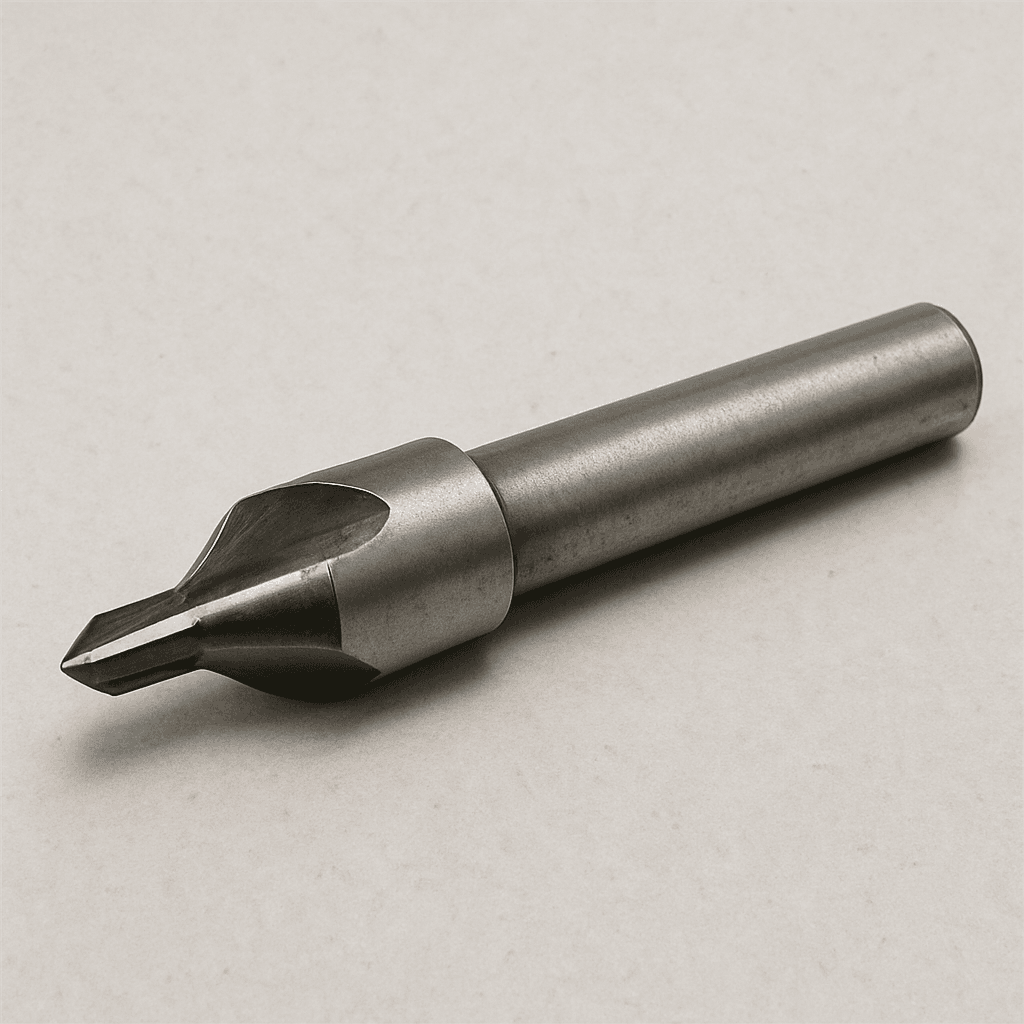


When it comes to drilling holes, whether in metal, wood, or other materials, choosing the right tool is crucial. The two most common tools for drilling are twist drills and drill bits. But what exactly are they, and how do they differ? This article will delve into the nitty-gritty of twist drills and drill bits, guiding you through their uses, types, and how to select the right one for your task.

Twist drills are one of the most commonly used tools in drilling. They are named for their helical (spiral) shape that resembles a twist. These drills are designed to cut through a variety of materials with precision and ease.
What Makes a Twist Drill?
A twist drill consists of three main parts: the shank, the body, and the point. The shank is the part that fits into the drill chuck. The body is the long, spiraled section that does the cutting, and the point is the tip that initiates the drilling process. The helical design helps in removing material, known as swarf, from the hole as the drill progresses.
Uses of Twist Drills
Twist drills are versatile and can be used on metal, wood, plastic, and more. They are ideal for creating holes of various diameters and depths. Because of their versatility, they are a staple in workshops and construction sites alike.
Exploring Drill Bits

The term “drill bit” is a broad category that includes many types of bits, with twist drills being just one of them. Drill bits are the cutting tools attached to a drilling machine to create holes.
Types of Drill Bits
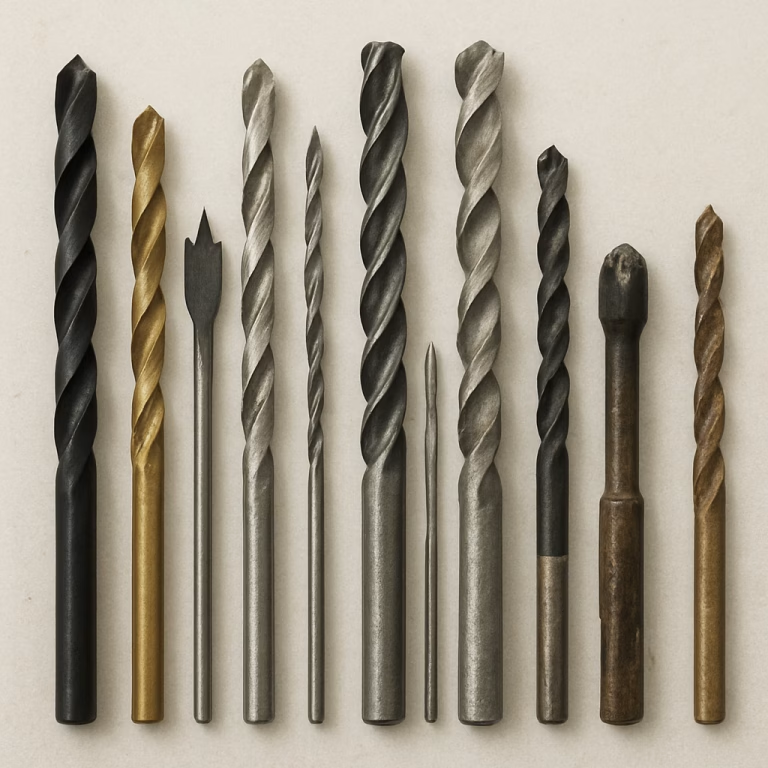
There are numerous types of drill bits, each designed for specific materials and purposes. Here are some common ones:
- Twist Drill Bits: The most common type, used for general-purpose drilling.
- Spade Bits: Flat bits are ideal for drilling large holes in wood.
- Masonry Bits: Designed for drilling into brick, stone, and concrete.
- Forstner Bits: Known for creating flat-bottomed holes in wood.
- Brad Point Bits: Offers precise positioning and clean holes in wood.
Drill Bit Materials
Drill bits can be made from various materials, including high-speed steel (HSS), cobalt, carbide, and diamond-coated. Each material offers different advantages, such as higher heat resistance or longer lifespan.
Drill Bit Selection
Choosing the right drill bit depends on the material you’re working with and the type of hole you need. For instance, if you’re drilling into concrete, a masonry bit is essential. For precision work on wood, a brad point or Forstner bit might be best.
Twist Drill vs. Drill Bit: Key Differences

Although twist drills are a type of drill bit, the term “drill bit” encompasses a broader range of tools. Understanding the differences can help you make the right choice for your project.
Design and Purpose
Twist drills are specifically designed for general-purpose drilling, making them a go-to for many tasks. However, if your project requires specialized drilling, such as large holes or drilling into masonry, other drill bits are more suitable.
Material Compatibility
Twist drills are versatile, but not always the best choice for every material. For example, they may not perform as well on hard materials like concrete or stone, where masonry bits excel. Similarly, spade or Forstner bits are better for certain woodworking tasks than twist drills.
Precision and Finish
For applications requiring high precision and a clean finish, the choice of drill bit is crucial. Twist drills provide good results, but for flawless finishes in wood, Brad point or Forstner bits are often preferred.
How to Choose the Right Drilling Tool
Selecting the appropriate drilling tool involves understanding your project’s requirements and the characteristics of each drill bit type.
Assess Your Material
First, identify the material you will be drilling. This will narrow down the suitable types of drill bits. For example, use masonry bits for concrete and twist drills for metal.
Determine Hole Specifications
Consider the size and depth of the hole you need. Larger holes may require spade or Forstner bits, while twist drills handle standard hole sizes.
Evaluate Precision Needs
For projects where precision is critical, like fine woodworking, select bits known for accuracy, such as brad point or Forstner bits.
Consider Drill Bit Material
The material of the drill bit affects its performance and durability. High-speed steel is versatile, cobalt offers increased heat resistance, and carbide or diamond coatings provide durability for tough materials.
Conclusion
Choosing between twist drills and other drill bits can significantly affect the outcome of your project. By understanding their differences and applications, you can make informed decisions that ensure efficiency and quality in your drilling tasks.
Whether you’re a DIY enthusiast or a professional, having the right drilling tools on hand is essential. Remember to consider the material, hole size, and precision required for your task to select the best drill bit. With the right tools, you’ll be well-equipped to tackle any drilling challenge with confidence.